Understanding Containerized Water Treatment Systems
Water treatment systems have taken on new dimensions in efficiency and adaptability, especially with the advent of containerized technologies. These modular systems are revolutionizing the way we approach water treatment processes, offering solutions that are not only flexible but also capable of being deployed in diverse environments. From cities needing robust infrastructure upgrades to remote areas requiring immediate drinking water solutions, containerized water treatment systems provide a versatile alternative that can be tailored to meet specific needs.
As organizations look for reliable water treatment systems Supplier, containerized solutions are increasingly recognized for their speed of setup, operational efficiency, and superior quality. By leveraging advanced technologies, these systems represent a shift in how municipalities and industries approach water conservation, purification, and management.
What are Containerized Water Treatment Systems?
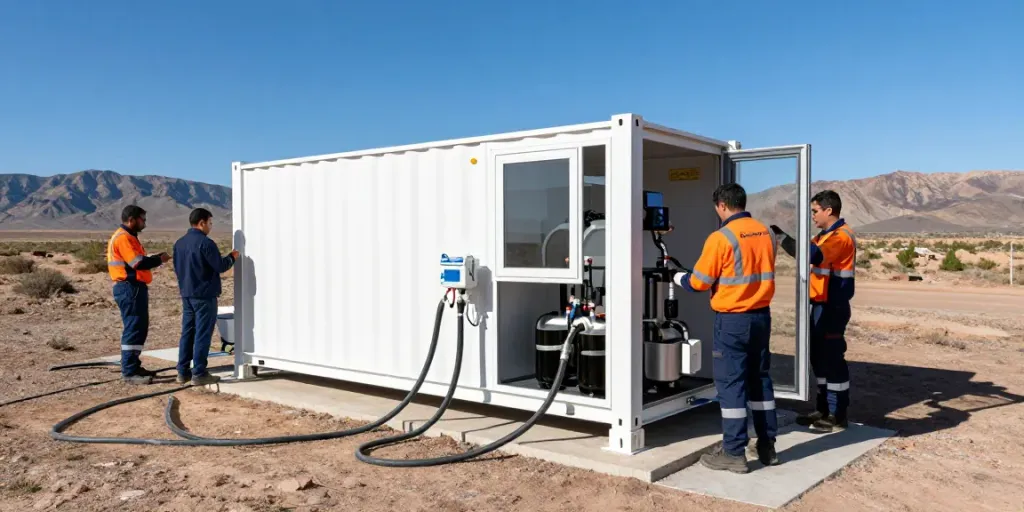
Containerized water treatment systems are prefabricated solutions housed in shipping containers that can be transported anywhere in the world. This model allows for rapid deployment and scalability based on specific project requirements. These systems integrate various water treatment processes, such as filtration, reverse osmosis (RO), and disinfection, allowing them to handle a wide range of water quality challenges. The design ensures that contaminated water sources can be converted into safe drinking water promptly, making it particularly useful in disaster relief scenarios and remote locations.
Benefits of Using Containerized Solutions
Containerized water treatment systems offer several benefits over traditional methods, including:
- Quick Deployment: These systems can be installed within 3 to 7 days, significantly reducing the time needed for site preparation and construction compared to traditional systems that might take months.
- Space Efficiency: Being modular, they occupy significantly less floor space—often saving around 50%, which is crucial for urban deployments where land is at a premium.
- High Reusability: With a reusability rate exceeding 90%, containerized systems can be relocated and redeployed as needed, making them an ecological choice that supports sustainability.
- Intelligent Control Systems: Many containerized units feature smart technology that allows for real-time monitoring and remote operation, enhancing operational efficiency and reducing the need for on-site personnel.
Key Technologies in Water Treatment Systems
Containerized systems utilize several key technologies that enhance their performance:
- Reverse Osmosis (RO): This process is fundamental in producing high-quality drinking water. By applying pressure to force water through a semi-permeable membrane, contaminants are effectively removed.
- Electrodeionization (EDI): Often integrated with RO, EDI helps in producing ultra-pure water by utilizing electrical currents to drive ion removal from water, making it suitable for pharmaceutical and laboratory applications.
- Advanced Disinfection: Technologies such as UV treatment and chlorination ensure that the water remains safe for consumption even after treatment.
Comparing Modular and Traditional Water Treatment Methods
Speed of Deployment: Modular vs. Traditional
One of the most significant advantages of containerized water treatment systems is their rapid deployment capability. Traditional water treatment systems often require extensive civil engineering work and can take between 3 to 6 months to be operational. In contrast, modular systems can be up and running in as little as 3 to 7 days. This speed is crucial for emergency response situations, as well as for industries looking to minimize downtime to meet regulatory standards or operational demands.
Space Requirements and Site Preparation
Traditional systems typically necessitate elaborate site preparation to accommodate large installations. This can involve complex civil engineering projects that require considerable financial and time investments. Conversely, containerized systems require minimal site preparation; they can be placed on flat ground with minimal construction work, reducing logistical challenges and speeding up the process of bringing clean water to communities.
Operational Flexibility and Adaptability
Flexibility is a hallmark of containerized water treatment systems. Unlike traditional setups that are often fixed in place, containerized solutions can be easily relocated and adapted for different uses—be it during renovations, expansions, or emergency deployments. This adaptability not only serves immediate needs but also aligns with long-term strategic planning for municipalities and industries alike.
Quality Control and Monitoring in Water Treatment
Real-time Monitoring and Intelligent Control Systems
The integration of intelligent monitoring systems into containerized water treatment units allows for real-time data analysis and control. This technology enables operators to track water quality parameters remotely, ensuring that any deviations from set standards can be addressed immediately. As a result, water treatment plants equipped with these systems demonstrate higher efficiency and lower operational risks than traditional facilities, which often rely on manual monitoring and can lag in response times.
Standards for Water Quality in Modular Systems
Containerized systems are designed to meet or exceed international water quality standards, making them suitable for use in various sectors, including municipal drinking water production and industrial applications. They are often tested against regulatory benchmarks, and manufacturers ensure compliance with local and international guidelines, thus guaranteeing safe drinking water.
Impact of Automated Monitoring on Efficiency
Automated monitoring systems significantly enhance the efficiency of water treatment operations. By using sensors and data analytics, these systems can predict maintenance needs, optimize chemical use, and adjust treatment processes in real time based on water quality inputs. This proactive approach leads to reduced operational costs and improved sustainability, as water treatment operators can make data-driven decisions that minimize waste and maximize resource use.
Case Studies: Success Stories from QILEE’s Solutions
Municipal Applications of Containerized Systems
In recent years, several municipalities have adopted QILEE’s containerized water treatment systems to address pressing water quality challenges. For example, a city facing contamination from agricultural runoff implemented a modular treatment solution that could be deployed quickly for emergency use. Within days, the system was effectively treating the water, providing the community with a reliable source of clean drinking water while longer-term solutions were developed.
Industrial Use Cases Highlighting Efficiency
Industries such as pharmaceuticals and electronics, which demand ultra-pure water, are increasingly turning to containerized systems. A leading pharmaceutical company, for instance, utilized a containerized RO-EDI system to ensure high purity standards in its production processes. The ability to integrate these systems directly into existing workflows allowed the company to significantly reduce costs while maintaining compliance with stringent quality regulations.
Remote Deployment Examples with Positive Outcomes
Containerized solutions have proven invaluable in remote areas where traditional infrastructure is lacking. For instance, a humanitarian organization deployed a containerized water treatment system in a disaster-stricken region to provide immediate access to clean drinking water. The rapid setup and reusability of this solution allowed for a swift response that saved lives, demonstrating the critical role these systems can play in emergency situations.
Future Trends in Water Treatment: Looking to 2026 and Beyond
Emerging Technologies in Water Treatment Systems
The future of water treatment is set to be significantly influenced by emerging technologies such as IoT and AI. These advancements will enable more sophisticated monitoring and control of water treatment processes, leading to enhanced efficiencies and reduced operational costs. Additionally, developments in nanotechnology and membrane technology promise to further improve the effectiveness of water purification methods.
Regulatory Changes and Their Impact
As global concerns regarding water quality and availability deepen, expect regulatory frameworks to evolve, pushing for stricter compliance and accountability from water treatment suppliers. Organizations will need to adapt to these changes by adopting innovative systems that not only meet current standards but anticipate future ones.
Predictions for Market Growth and Supplier Innovations
The market for containerized water treatment systems is poised for significant growth as industries and municipalities increasingly recognize the value of flexibility and rapid deployment. Innovations from established suppliers, like QILEE, will continually improve system design, efficiency, and user-friendliness, ensuring that these solutions remain at the forefront of water treatment technologies. This trend suggests robust opportunities for suppliers committed to quality and innovation in the water treatment landscape.