Understanding Precision CNC Machining Services
Precision CNC machining has become a cornerstone in modern manufacturing, enabling industries to produce intricate components with unmatched accuracy and consistency. It leverages Computer Numerical Control (CNC) technology to automate the machining process, allowing for complex geometries and fine tolerances that are often unattainable through traditional machining practices. As a precision cnc machining supplier, Honscn focuses on delivering high-quality machining services tailored to various industrial needs.
What is Precision CNC Machining?
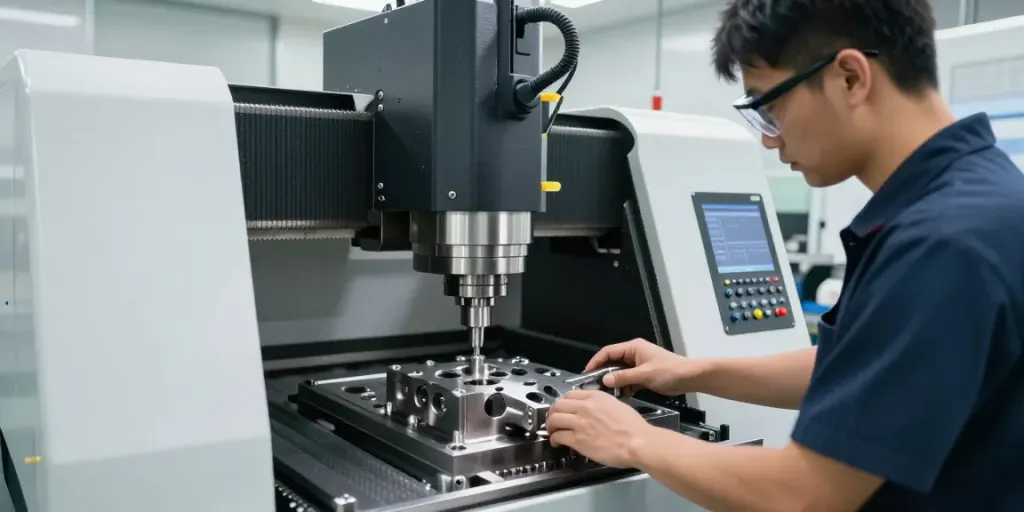
Precision CNC machining involves the use of computer-controlled machines to process materials into specific shapes and sizes. The process begins with a digital file derived from Computer-Aided Design (CAD) software. This file serves as the blueprint for the CNC machine, allowing it to execute precise movements and operations such as milling, turning, and drilling. This technological approach ensures high repeatability and accuracy, making it ideal for mass production as well as custom parts.
Core Benefits of Precision CNC Machining
- High Accuracy and Repeatability: CNC machines can produce parts with tolerances as tight as ±0.001 inches, ensuring every piece is uniform.
- Increased Efficiency: Automated processes reduce production times significantly, allowing for quicker turnaround on large orders.
- Flexibility: The ability to easily switch between different component designs makes CNC machining suitable for both small and large production runs.
- Reduced Waste: Precise cutting reduces material waste, promoting a more sustainable manufacturing process.
Applications Across Various Industries
Precision CNC machining finds applications across a multitude of sectors, including:
- Aerospace: Manufacturing critical components that must meet strict safety regulations.
- Automotive: Producing complex parts with high performance needs.
- Medical: Creating precision instruments and implants that require meticulous detail.
- Electronics: Delivering components that fit within tight spaces while maintaining functionality.
Choosing the Right Precision CNC Machining Supplier
Selecting a CNC supplier can be a daunting task, given the myriad of companies available. It’s crucial to consider multiple factors to ensure you partner with a competent and reliable supplier.
Key Factors to Consider When Selecting a Supplier
- Experience and Expertise: Look for suppliers with a proven history in CNC machining, particularly in your specific industry.
- Technology and Equipment: Ensure the supplier utilizes modern CNC technology capable of meeting your precision demands.
- Quality Assurance Processes: Suppliers should have rigorous quality control measures to ensure defect-free outputs.
- Customer Support: A responsive and knowledgeable support team can significantly enhance the collaboration experience.
Common Misconceptions About CNC Suppliers
Many misconceptions exist regarding CNC machining suppliers and their capabilities. Some believe that CNC machining is only beneficial for large-scale operations, while in reality, it is equally effective for small batch productions. Others think that all CNC suppliers offer the same services and quality, which is far from true. Understanding these differences can lead to more informed decisions.
Evaluating Supplier Capabilities and Technologies
When assessing potential suppliers, it is essential to evaluate their technological capabilities. Look for suppliers who invest in state-of-the-art machinery and software that enhances precision and efficiency. Additionally, inquire about their experience with specific materials and processes that align with your project requirements.
Best Practices for Effective CNC Machining
Implementing effective practices in CNC machining can lead to better outcomes and reduced costs. Innovation in design and process optimization is essential for success.
Optimizing Design Files for CNC Machining
Design files should be optimized for CNC machining to ensure smooth production. This includes simplifying complex geometries, ensuring proper tolerances, and choosing suitable materials from the outset. Collaborating with your supplier during the design phase can significantly enhance the manufacturability of your parts.
Maintaining Quality Assurance in CNC Processes
Quality control is paramount in CNC machining. Implementing comprehensive quality assurance practices such as in-process inspection, statistical process control, and post-production testing ensures that every product meets the specified standards.
Strategies for Cost-Effective CNC Machining Production
- Batch Production: Producing items in batches can reduce setup times and per-unit costs.
- Material Selection: Choosing cost-effective materials without compromising quality can lead to significant savings.
- Process Automation: Introducing automation in repetitive tasks can decrease labor costs and increase speed.
Future Trends in CNC Machining for 2026 and Beyond
The field of CNC machining is continuously evolving, driven by technological advancements and market demands. Staying ahead of these trends is essential for any business looking to remain competitive.
Emerging Technologies Shaping the CNC Industry
Innovations in technologies such as additive manufacturing, IoT integration, and advanced robotics are set to revolutionize CNC machining. These advancements will enhance flexibility, reduce lead times, and allow for more complex designs.
Impact of AI and Automation on Precision Machining
Artificial intelligence (AI) and automation are crucial for increasing efficiency in CNC machining. AI can assist in predictive maintenance and real-time process adjustments based on data analytics, ensuring operational continuity and minimal downtime.
Predictions for Industry Growth and Supplier Dynamics
Industry experts predict substantial growth in the CNC machining sector as manufacturers increasingly seek precision and efficiency. Additionally, competition among suppliers is expected to intensify, prompting innovation in service offerings and pricing strategies.
Frequently Asked Questions about CNC Machining
What Are the Costs Associated with CNC Machining?
The costs of CNC machining can vary significantly based on factors such as material, complexity, volume, and turnaround time. Generally, you can expect hourly rates ranging from $50 to $150, along with possible setup fees that may increase depending on the project.
How Do I Improve Efficiency in CNC Machining?
Efficiency can be improved through various means including optimizing machine setups, investing in advanced CNC technology, and implementing lean manufacturing principles to minimize waste.
Can CNC Machining Handle Complex Designs?
Yes, CNC machining is well-equipped to handle complex designs, provided the design files are optimized correctly. Advanced machines can execute intricate patterns and shapes with high precision.
What Materials Are Best for CNC Machining?
Common materials used in CNC machining include metals like aluminum and titanium, as well as plastics such as ABS and nylon. The choice of material depends on the application and performance requirements.
How Do I Choose Between CNC Milling and Turning Services?
Choosing between CNC milling and turning depends largely on the part design. Milling is ideal for flat surfaces and complex shapes, whereas turning is better suited for cylindrical parts.