Understanding Turnkey PCB Assembly
In the fast-paced world of electronics manufacturing, the demand for efficient and streamlined production processes has never been higher. Turnkey PCB assembly offers a holistic solution that encompasses every aspect of printed circuit board (PCB) creation, from design to delivery. By outsourcing the entire process to a single supplier, businesses can save time, reduce costs, and improve product quality. With innovations in technology and evolving market needs, understanding turnkey PCB assembly is crucial for companies aiming to stay competitive in 2026 and beyond. When exploring options, turnkey PCB assembly provides comprehensive insights that can help streamline operations.
What is Turnkey PCB Assembly?
Turnkey PCB assembly is a comprehensive service where a manufacturer is responsible for all aspects of PCB production. This includes design, sourcing components, fabricating the PCB, assembling the components, and conducting testing before shipment. This approach significantly reduces the complexities associated with managing multiple suppliers and improves communication and accountability.
Components of Turnkey PCB Assembly
A typical turnkey PCB assembly process consists of several critical components:
- Design and Engineering: Initial design is crucial and can involve collaboration between the client and manufacturer to ensure the PCB meets specifications.
- Component Sourcing: Suppliers are selected based on quality, cost, and availability. This step often includes sourcing proprietary components that are not readily available.
- PCB Fabrication: This includes the actual manufacturing of the PCB, which involves applying various materials, etching, and creating connections.
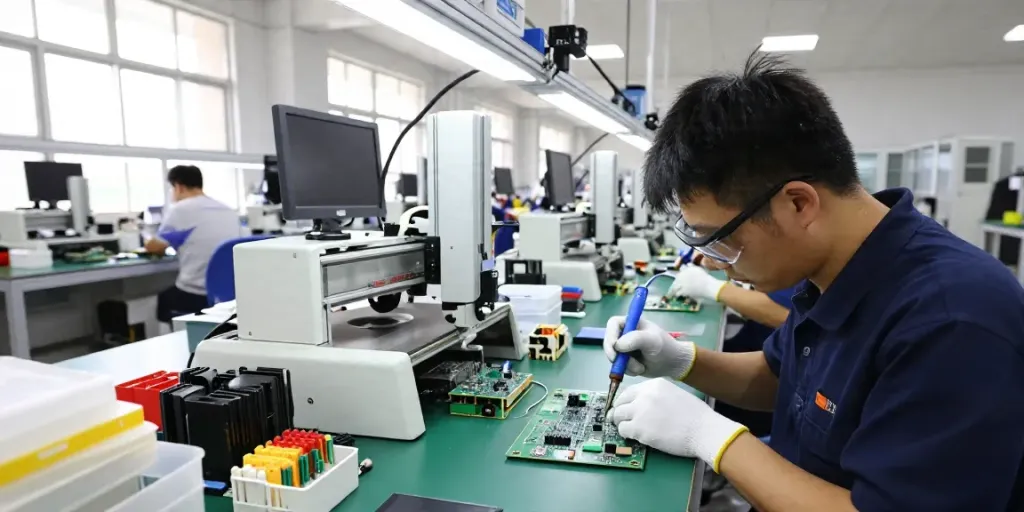
- Assembly: Components are placed on the PCB following the specified layout and soldered in place, either through manual or automated processes.
- Testing: Finished products undergo rigorous testing to ensure functionality and reliability before shipping.
Benefits of Choosing Turnkey Solutions
Opting for a turnkey solution offers numerous advantages, such as:
- Cost Efficiency: Streamlining the process reduces overhead and lowers the cost of procurement and production.
- Improved Time-to-Market: With all processes under one roof, companies can develop and launch their products more quickly.
- Higher Quality Control: A single manufacturer is responsible for the entire process, which facilitates better quality assurance.
- Enhanced Communication: Dealing with one supplier simplifies communication, reducing the risk of miscommunication and associated delays.
Comparing Turnkey vs. Non-Turnkey PCB Assembly
When considering PCB assembly options, businesses must evaluate the differences between turnkey and non-turnkey services to find the best fit for their needs.
Advantages of Full Turnkey Services
Full turnkey services provide a comprehensive solution, relieving clients of the logistics involved in sourcing different parts of the manufacturing process. Key advantages include:
- Single Point of Accountability: Customers can hold one manufacturer responsible for the entire project, ensuring cohesive project management.
- Minimized Risk: By centralizing procurement and production, the risks of delays due to component unavailability or miscommunication are significantly diminished.
- Scalability: As demand increases, manufacturers can quickly adjust production levels without the complications of coordinating with multiple vendors.
Partial Turnkey Assembly Explained
Partial turnkey assembly differs from full turnkey services by allowing clients to choose which components of the process they wish to manage. This might involve sourcing components themselves or handling specific assembly tasks. Advantages include:
- Flexibility: Companies that have specific requirements can tailor their assembly process to meet unique needs.
- Cost Control: Clients can potentially reduce costs by sourcing components they feel confident purchasing.
Cost Implications of Each Model
Cost considerations play a major role in the decision-making process. Full turnkey services often come with a higher upfront cost due to their comprehensive nature; however, they can lead to long-term savings by minimizing delays and errors. In contrast, partial turnkey services may appear cheaper initially, but can lead to increased costs if complications arise from sourcing components independently.
Choosing the Right Turnkey PCB Assembly Partner
Selecting the right manufacturer is crucial for the success of any PCB project. Various factors come into play when evaluating potential partners.
Key Qualities of a Good Manufacturer
Identifying a reliable turnkey PCB assembly partner involves assessing several key qualities:
- Experience: Look for manufacturers with a proven track record in the industry and familiarity with your specific application.
- Certifications: Ensure that the manufacturer complies with industry standards and holds relevant certifications, such as ISO 9001.
- Communication: Effective communication is vital; choose a partner that is responsive and open to collaboration.
Evaluating Supplier Capabilities
Assess the supplier’s capabilities by analyzing their production capabilities, technology, and resources. Key considerations include:
- Manufacturing Capacity: Ensure they can scale production to meet your demands.
- Technological Advancement: They should utilize the latest technologies for manufacturing and assembly to ensure precision and efficiency.
- Testing Procedures: A robust testing process is essential for ensuring quality and reliability.
Common Misconceptions in Supplier Selection
Several misconceptions can lead to poor decision-making when choosing a PCB assembly partner. For instance, many assume that the lowest cost equates to the best value. In reality, quality, reliability, and post-service are crucial factors that often outweigh initial cost savings. Understanding these nuances can ensure that the selected partnership yields long-term benefits.
Future Trends in Turnkey PCB Assembly
As technology evolves, the landscape of PCB manufacturing continues to change. Several trends are shaping the future of turnkey PCB assembly.
Emerging Technologies in PCB Manufacturing
Advancements in technology, such as additive manufacturing and advanced materials, are enhancing the capabilities of PCB assembly. These innovations enable greater design flexibility, improved performance, and reduced manufacturing times.
Sustainability in PCB Assembly Practices
The push for sustainability is driving manufacturers to adopt eco-friendly practices. This includes using recyclable materials and processes that minimize waste. Companies that prioritize sustainability can not only meet regulatory standards but also appeal to environmentally conscious consumers.
Impact of AI and Automation on Turnkey Solutions
Artificial intelligence and automation are transforming how PCBs are assembled, leading to increased efficiency and accuracy. With AI algorithms, companies can optimize production schedules and predict maintenance needs, while automation reduces manual error rates during assembly.
FAQs About Turnkey PCB Assembly
How much does it cost to assemble a PCB?
The cost of PCB assembly can vary widely based on factors such as complexity, materials, and volume. Generally, a more complex design with higher quantities will yield lower per-unit costs.
What does a PCB assembly do?
PCB assembly involves both the fabrication of the PCB and the placement of electronic components onto it. This process ensures that the PCB can perform its intended function within an electronic device.
Why is PCB assembly so expensive?
Costs in PCB assembly can stem from various sources, including material quality, labor, setup for production runs, and the complexity of the design.
Can you make your own PCBs at home?
Yes, enthusiasts often create their own PCBs using DIY methods, although these may not meet the same standards as professionally manufactured boards. Equipment such as PCB printers or etching kits can be used for home production.
What are the best practices for PCB design?
Best practices for PCB design include effective component placement, proper grounding techniques, and ensuring that design files are accurate to prevent manufacturing errors.