Overview of the Manaslu Circuit Trek
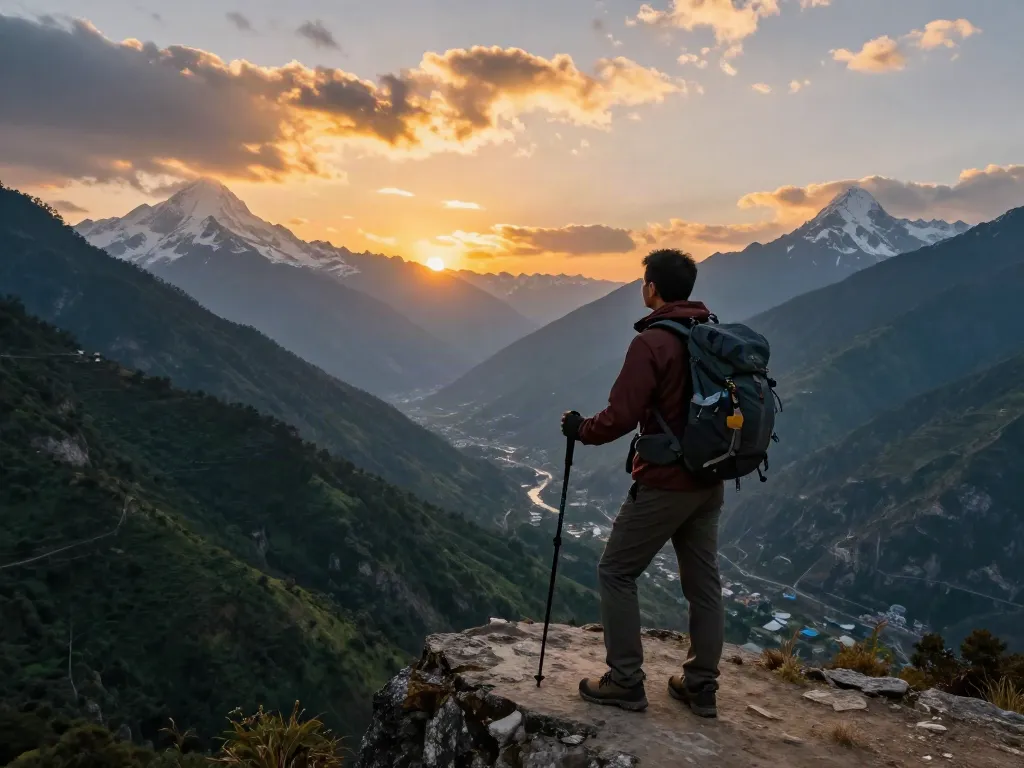
The Manaslu Circuit Trek is a captivating 15-day journey that takes adventurers through some of Nepal's most stunning landscapes. Nestled in the Gorkha region, this trek offers a perfect blend of breathtaking mountain scenery, remote villages steeped in culture, and diverse ecosystems. As trekkers make their way around the majestic Mount Manaslu, they encounter pristine nature and rich Tibetan-influenced communities. This trek is ideal for those looking to experience an unforgettable adventure away from the hustle and bustle of more popular trekking routes.
For those interested in exploring all that this trek has to offer, resources such as Manaslu Circuit provide comprehensive insights, ensuring trekkers are well-prepared to embark on this remarkable journey.
What is the Manaslu Circuit Trek?
The Manaslu Circuit Trek is a circular trail that envelops Mount Manaslu, the eighth-highest peak in the world, standing at 8,163 meters (26,781 feet). This trek is notable not only for its height but also for its exquisite landscape that ranges from lush lowland forests to high-altitude alpine terrains. The trek offers a unique opportunity to traverse remote Himalayan trails, providing trekkers with an authentic experience of local culture and traditions. From bustling market towns to serene monasteries, the journey encapsulates the essence of Nepal.
Key Highlights of the Trek
- Diverse Landscapes: The trek features stunning variations in landscape, including terraced fields, dense forests, and rugged mountains, allowing trekkers to experience the natural beauty of the Himalayas.
- Cultural Immersion: Travelers will pass through traditional villages inhabited by the Gurung and Tibetan communities, offering insights into their unique lifestyles and customs.
- Larkya La Pass: This challenging high point at 5,160 meters not only tests the trekkers' endurance but also rewards them with breathtaking panoramic views of the surrounding peaks.
- Rich Biodiversity: The Manaslu Conservation Area is home to diverse flora and fauna, including rare species such as snow leopards and Himalayan tahr.
- Acclimatization Opportunities: The itinerary includes designated acclimatization days to help trekkers adjust to the elevation, enhancing safety and enjoyment.
Why Choose the Manaslu Circuit?
The Manaslu Circuit is a less commercialized alternative to more famous treks like the Annapurna Circuit or Everest Base Camp. This allows for a more tranquil trekking experience, free from the crowds commonly found on those routes. The trek also provides a deep connection to nature and culture, with opportunities to engage directly with local communities who have retained their traditional ways of life. Additionally, the variety of landscapes, from thick forests to arid high-altitude zones, makes this trek a feast for the senses.
Preparing for the Trek
Preparation is key for a successful trek. Ensuring that you have the right gear, understanding the physical requirements, and knowing the necessary paperwork can make all the difference in your experience.
Essential Packing List for the Manaslu Circuit
Your packing list will play a crucial role in making your trek comfortable and enjoyable. Below is a recommended list of essential items to include:
- Clothing: Layered clothing is crucial for managing varying temperatures. Include thermal base layers, an insulating layer, and a waterproof outer layer.
- Footwear: Invest in a good pair of trekking boots with ankle support and proper grip. Consider bringing camp shoes or sandals for relaxation post-trek.
- Backpack: A well-fitted daypack (30-40 liters) for carrying daily essentials, and a larger duffel bag (75 liters) for porters to carry.
- Sleeping Gear: A warm sleeping bag rated for at least -15°C (5°F) and a sleeping pad for comfort.
- Hydration: A reusable water bottle and water purification tablets.
- First Aid Kit: Include personal medications, blister treatment, and altitude sickness remedies.
- Other Essentials: Sunscreen, sunglasses, a hat, and toiletries.
Physical Fitness Requirements
The Manaslu Circuit Trek is classified as moderately challenging, requiring good physical fitness. Trekkers should be prepared for daily trekking durations of 5 to 8 hours. Regular cardiovascular exercise, strength training, and hiking practice ahead of time will greatly enhance your trekking ability. Even if you are a beginner, a commitment to physical preparation will ensure a successful and enjoyable experience.
Travel Insurance and Permits Needed
Before embarking on the Manaslu Circuit Trek, ensure you have appropriate travel insurance that covers high-altitude trekking and medical emergencies. All trekkers will require several permits, including the Manaslu Restricted Area Permit (MRAP), Manaslu Conservation Area Permit (MCAP), Annapurna Conservation Area Permit (ACAP), and a TIMS (Trekkers Information Management System) card. Make sure to arrange these permits in advance through a reputable trekking agency.
Itinerary and Daily Breakdown
An effective itinerary ensures that trekkers can acclimatize properly and enjoy the journey without feeling rushed. Here is a breakdown of the typical 15-day trekking itinerary.
Day-by-Day Trekking Itinerary
- Day 01: Arrival in Kathmandu (1,400 m). Transfer to hotel.
- Day 02: Drive to Machha Khola (869 m) via Soti Khola (8-10 hours).
- Day 03: Trek to Jagat (1,340 m) from Machha Khola (6-7 hours).
- Day 04: Trek to Deng (1,860 m) from Jagat (6-7 hours).
- Day 05: Trek to Namrung (2,630 m) from Deng (7-8 hours).
- Day 06: Trek to Lho (3,180 m) from Namrung (3-4 hours).
- Day 07: Trek to Samagaon (3,520 m) from Lho (3-4 hours).
- Day 08: Acclimatization day in Samagaon. Hike to Birendra Lake and back (7-8 hours).
- Day 09: Trek to Samdo (3,875 m) from Samagaon (3-4 hours).
- Day 10: Trek to Dharmashala (4,460 m) from Samdo (4-5 hours).
- Day 11: Cross Larkya La Pass (5,160 m) to Bimthang (8-9 hours).
- Day 12: Trek to Goa (2,515 m) from Bimthang (5-6 hours).
- Day 13: Trek to Dharapani (1,963 m) from Goa (3-4 hours).
- Day 14: Drive back to Kathmandu (10-12 hours).
- Day 15: Final departure from Kathmandu.
Acclimatization Strategies
Acclimatization is crucial for preventing altitude sickness. The itinerary includes several acclimatization days, particularly in Samagaon, where trekkers can engage in shorter hikes to higher altitudes before returning to rest. It's essential to listen to your body and take the necessary rest breaks during the trek, especially when ascending to higher altitudes.
Important Stops and Attractions Along the Route
- Birendra Lake: A serene glacial lake offering stunning views of the surrounding mountains.
- Manaslu Base Camp: A vantage point for breathtaking views of the giant peaks surrounding Mount Manaslu.
- Historical Monasteries: The trek passes several ancient monasteries, such as Pungyen Gompa, enhancing the cultural experience.
- Traditional Villages: Villages like Lho and Samagaon provide insight into the local way of life.
Cost and Budgeting for the Trek
Understanding the financial aspects of the Manaslu Circuit Trek can help trekkers plan accordingly and avoid any unexpected expenses.
Average Cost of the Manaslu Circuit Trek
The cost of the Manaslu Circuit Trek typically ranges from $1,500 to $2,500 per person, depending on the season, duration, and the selected trekking agency. This range usually covers the booking of permits, accommodation, meals, and transportation throughout the trek. It's advisable to get quotes from multiple agencies to ensure you are getting a reasonable rate for the services provided.
What’s Included in the Trek Package?
The standard Manaslu Circuit Trek package typically includes:
- Accommodation in lodges/guesthouses
- All meals (breakfast, lunch, and dinner) during the trek
- Transportation to and from the trekking point
- Professional trekking guide and porters
- Required trekking permits
Additional Daily Expenses to Consider
In addition to the trek package cost, trekkers should budget for:
- Snacks, drinks, and personal expenses (e.g., souvenirs)
- Hot showers and Wi-Fi access in lodges
- Tips for guides and porters
- Travel insurance
Frequently Asked Questions
How difficult is the Manaslu Circuit Trek?
The Manaslu Circuit Trek involves a significant amount of walking, with daily trek durations often ranging from 5 to 8 hours. The trails can be steep and rugged, and the trek reaches altitudes over 5,000 meters. Therefore, it is considered moderately challenging. However, with proper acclimatization and physical preparation, many trekkers successfully complete the journey.
What is the best time to visit for the Manaslu Circuit?
The best seasons for trekking the Manaslu Circuit are during the spring (March to June) and autumn (September to November). These months offer stable weather conditions and stunning views of the mountains. Monsoon season (July to mid-September) is generally discouraged due to heavy rains and the potential for landslides.
Do I need a guide for the Manaslu Circuit Trek?
Yes, a licensed trekking guide is mandatory for the Manaslu Circuit Trek due to its status as a restricted area. A guide not only helps with navigation but also enhances the trekking experience by providing insights into local culture and geography.
What kind of food can I expect?
Meals during the trek typically consist of local Nepali cuisine, with options including dal bhat (rice and lentils), noodles, vegetables, and even Western dishes like pizza in some villages. It is advisable to stick to vegetarian meals for easier digestion at higher altitudes.
Is the Manaslu Circuit safe for solo travelers?
Yes, the Manaslu Circuit is generally safe for solo travelers, especially when trekking with a reputable agency like Ace the Himalaya. It is advisable for solo trekkers to join a group or hire a guide to ensure safety and add to the trekking experience.