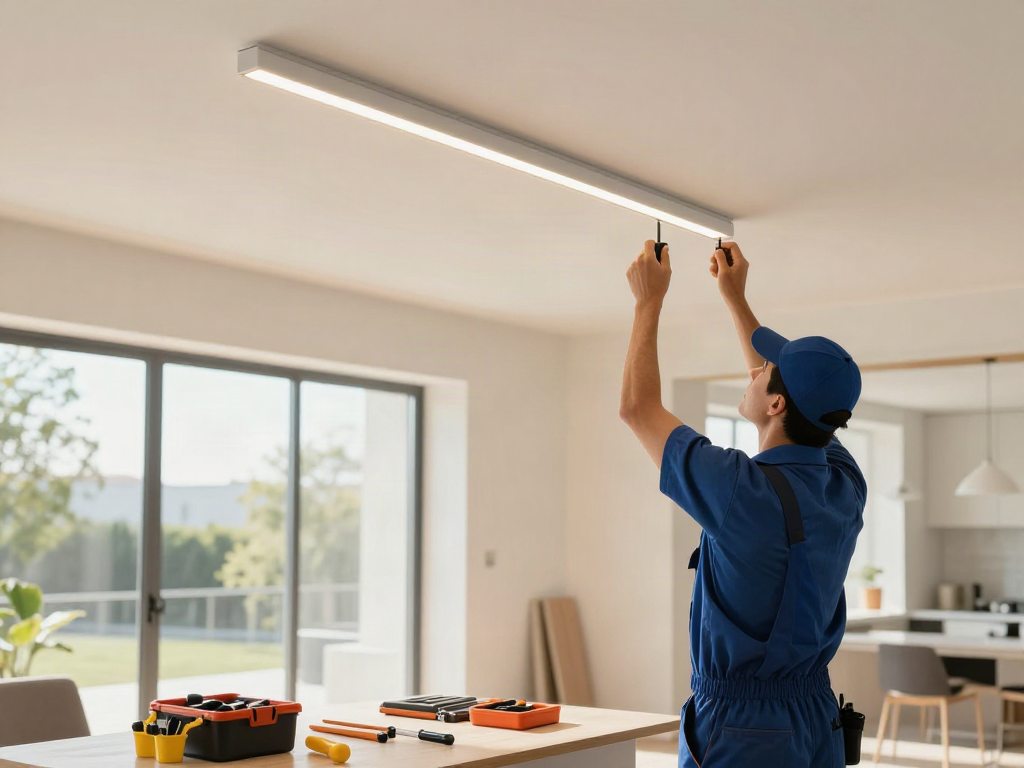
Understanding Design Build Home Additions
Home additions can be a transformative solution for homeowners looking to enhance their space without the need to relocate. Design build home additions facilitate a seamless blend between the old and the new, ensuring that the expanded area complements the existing structure while meeting your functional needs. This approach merges the design and construction processes into a single cohesive service, simplifying communication and expediting timelines.
What Are Design Build Home Additions?
The concept of design build refers to a streamlined method of project management where both the design and construction phases are handled by the same team. This means that the same contractor oversees the entirety of your home addition project, ensuring consistency in vision and execution. Home additions can include anything from extra bedrooms and bathrooms to expansive living areas and updated kitchens.
Benefits of Design Build Approach
- Single Point of Contact: With a design build contractor, you have one main contact throughout the project, reducing miscommunication.
- Time Efficiency: This integrated approach often leads to faster project timelines due to overlapping phases of design and construction.
- Cost-Effective Solutions: Design build can often be more economical as it minimizes unexpected costs that arise from miscommunication between separate design and construction teams.
- Custom Solutions: Easily adjust plans on the fly to align with the homeowner’s evolving needs and preferences.
Choosing the Right Design Build Contractor
When selecting a design build contractor for your home addition, it’s crucial to consider their track record, experience, and client testimonials. You want a team that not only demonstrates high-quality craftsmanship and excellent design aptitude but one that also communicates effectively and aligns with your vision.
Strategic Planning for Your Home Addition
Thorough planning is essential to ensure your home addition meets your lifestyle needs and enhances your home's value. Strategic planning involves assessing your space requirements, establishing a realistic budget, and considering the overall design aesthetic.
Assessing Space Needs for Successful Additions
To begin, evaluate your family's current and future needs. Consider factors such as the number of family members, lifestyle changes, and how you utilize your space. This assessment will help in determining the size and type of addition required.
Design Elements That Enhance Functionality
Your home addition should enhance functionality while providing a beautiful aesthetic. Incorporate design elements such as open layouts, abundant natural light, and smart storage solutions to optimize the use of your new space.
Budgeting for Your Home Addition Project
Set a clear budget beforehand, factoring in costs such as design fees, materials, labor, and permits. Ensure that you allow for contingencies—typically around 10-20% of the total project cost—for any unexpected expenses. Understanding the pricing structure will also help you make informed decisions about design options and materials.
Building Process for Home Additions
The building process for home additions involves several essential steps that should occur in a logical sequence to streamline construction and minimize disruptions to your daily life.
Essential Steps to Commence Building
- Initial Consultation: Schedule a meeting with your design build contractor to discuss your ideas and needs.
- Design Discovery: Work with the design team to create a comprehensive plan that includes sketches, elevations, and material specifications.
- Permitting: Apply for necessary permits through local government bodies.
- Construction Schedule: Establish a detailed construction schedule, ensuring all stakeholders are aware of key milestones.
- Finalize Contracts: Sign contracts and prepare for the commencement of work.
Managing Time and Resources Efficiently
Your chosen contractor should have a robust project management system in place, allowing for effective resource allocation and timely updates on progress. Open lines of communication between you and the contractor will facilitate any necessary adjustments or concerns, keeping the project on track.
Common Challenges in Home Addition Projects
Challenges such as site restrictions, unexpected structural issues, and zoning complications can arise during construction. Having an experienced contractor familiar with local codes and regulations can mitigate many of these challenges.
Marketing Your Home Addition Services
To grow your practice as a design build contractor in home additions, an effective marketing strategy is crucial. Your marketing should consist of both online and offline efforts to attract clients looking for quality addition services.
Effective Advertising Strategies to Attract Clients
- Local SEO: Optimize your website for local search to attract potential clients in your service area. Ensure key phrases like "design build home additions" are prominently featured.
- Social Media Marketing: Use platforms like Instagram and Pinterest to showcase completed projects and inspire prospective clients.
- Networking: Connect with local real estate agents and builders to expand referral opportunities.
Building your Online Presence as a Contractor
Develop a professional website that highlights your portfolio, services, and customer testimonials. Invest in content marketing by providing valuable insights into the home addition process through blog posts and articles.
Leveraging Client Testimonials for Growth
Client reviews can significantly influence new customers’ decisions. Encourage satisfied clients to leave positive feedback on platforms like Yelp, Google, and social media. Showcase these testimonials prominently on your website to build trust with prospective clients.
Future Trends in Home Additions and Design Build
Staying updated on industry trends can help you remain competitive in the design build home addition market. Emerging practices and technologies are reshaping how home enhancements are conceived and executed.
Innovations in Sustainable Building Practices
With growing awareness of environmental issues, sustainable building practices are gaining traction. Homeowners are increasingly seeking energy-efficient materials, sustainable design methods, and renewable energy integration in their additions.
The Impact of Technology on Home Design
Technological advancements like 3D modeling and virtual reality are changing how contractors present ideas to clients. These tools offer immersive experiences, allowing clients to visualize their projects before construction begins.
Adapting to Changing Consumer Preferences
Understanding shifts in consumer preferences is vital for success in the home addition sector. Many clients now prioritize open concept designs, multi-functional spaces, and work-from-home environments, influencing how additions are planned.