Understanding Electric Stoves and Their Components
Electric stoves have become an integral part of modern kitchens, appreciated for their efficiency and convenience. As an essential appliance, understanding the workings of electric stoves can help users deal with issues swiftly and make informed decisions regarding maintenance and repairs. When exploring options, Electric stove repair is a vital service that keeps your kitchen operating smoothly. In this guide, we will delve into what makes electric stoves unique, their key components, and the common issues that may arise.
What Makes Electric Stoves Unique?
Electric stoves differentiate themselves from traditional gas models primarily by their heating method. Utilizing electrical coils or smooth cooktop surfaces, they convert electrical energy into heat. This direct heating method allows for precise temperature control and a consistent cooking experience. Additionally, electric stoves do not require ventilation, making them suitable for various kitchen designs. Their surface materials can range from durable glass-ceramic to stainless steel, providing both aesthetic appeal and functionality.
Key Components of Electric Stoves
The core functionality of electric stoves hinges on several key components:
- Heating Elements: Electric stoves typically feature either coil burners or smooth top heating elements that provide heat to pots and pans.
- Temperature Sensors: These components monitor and regulate the cooking temperature, ensuring efficient cooking processes.
- Control Panel: This is the user interface where cooks set temperatures, timers, and program additional features.
- Thermostat: The thermostat maintains the desired temperature by regulating the electricity flow to the heating elements.
Common Electric Stove Issues
Despite their reliability, electric stoves can encounter several issues:
- Heating Element Failure: Burners may fail to heat, affecting cooking efficiency.
- Temperature Inaccuracy: If the thermostat malfunctions, it could lead to cooking discrepancies.
- Control Panel Issues: Malfunctions can prevent users from adjusting settings or timers as needed.
- Surface Cracks or Scratches: Glass-ceramic surfaces are prone to cosmetic damage that can affect performance.
Diagnosing Electric Stove Problems
Identifying the root cause of an electric stove's issues can often save time and money in repairs. Understanding what signs to look out for can significantly help household efficiency and cooking convenience.
Signs Your Electric Stove Needs Repair
There are several indicators that your electric stove may require attention:
- Burners not heating or heating inconsistently.
- Control buttons not responding or malfunctioning.
- Unusual noises, such as clicking or buzzing, during operation.
- Visible signs of damage, like cracks on the cooktop.
How to Perform Basic Troubleshooting
Before calling a professional, there are basic troubleshooting steps you can perform:
- Check Power Sources: Ensure the stove is plugged in and check the circuit breaker for potential tripping.
- Examine Heating Elements: Look for damage or disconnection in the heating elements.
- Test Temperature Settings: Confirm temperatures by using a thermometer for accuracy.
- Inspect Control Panel: Ensure all buttons are functioning correctly and are not stuck.
When to Call a Professional
If basic troubleshooting does not resolve the issue, it may be time to contact a professional. Signs that you should seek expert help include persistent heating problems, control panel failures, or any electrical issues that could pose safety risks.
Step-by-Step Electric Stove Repair Process
Once you’ve diagnosed the problem, knowing how to handle repairs can improve your experience and possibly save costs. Here’s a structured approach to electric stove repairs.
Gathering the Necessary Tools and Parts
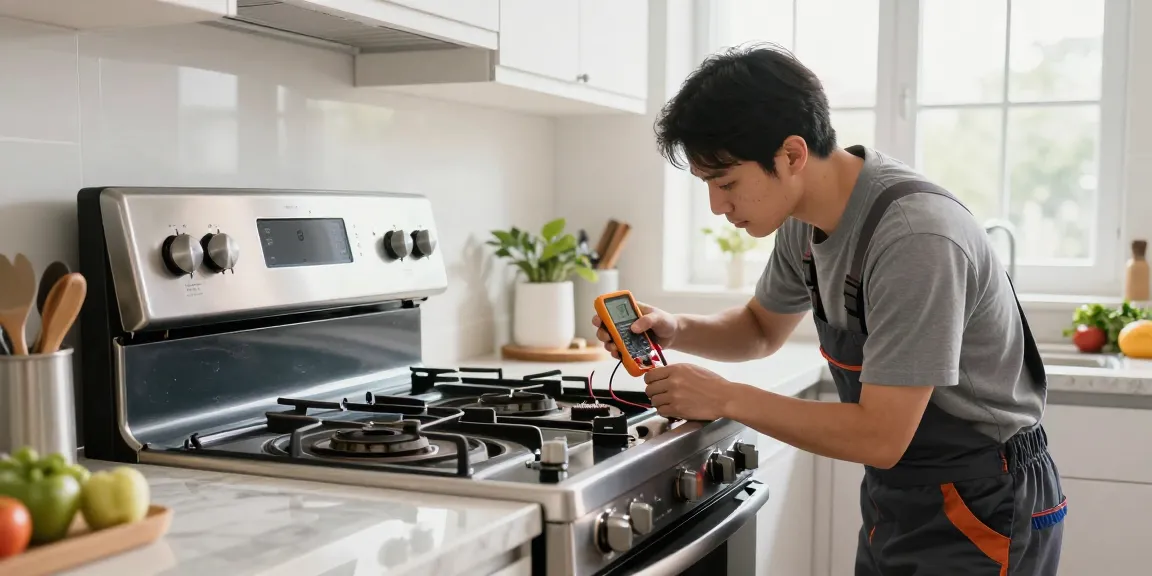
Before beginning any repair, ensure you have the appropriate tools on hand, such as screwdrivers, multimeters for electrical testing, and replacement parts, like heating elements or control panels. Acquiring these supplies in advance will streamline the repair process.
Safe Disassembly and Inspection Techniques
Always ensure the appliance is disconnected from the power supply before disassembly. Follow these steps for safe and effective inspection:
- Remove the cooktop surface carefully to access internal components.
- Inspect wiring and connections for any signs of damage.
- Check for burnt or broken elements and replace as needed.
- Use a multimeter to test electrical connections and components.
Reassembly and Testing After Repair
After making repairs or replacing parts, carefully reassemble the stove and reconnect it to the power source. Perform a functional test to ensure everything operates correctly. Testing should include:
- Heating each burner to confirm functionality.
- Verifying that the control panel responds accurately.
- Checking for any unusual noises while the stove is in operation.
Maintenance Tips for Your Electric Stove
Regular maintenance can prolong the life of your electric stove and prevent the need for repairs. Below are key maintenance strategies to employ.
Regular Cleaning and Care Practices
Keeping your electric stove clean is essential. Here are best practices to maintain its functionality:
- Wipe spills immediately while the stove is cool to prevent baked-on residues.
- Use non-abrasive cleaners designed for your cooktop surface.
- Regularly check under the cooktop for any accumulated debris or spills.
Extending the Lifespan of Your Appliance
Taking preventive measures can help extend the life of your appliance. Here are some practical tips:
- Avoid using heavy pots that can scratch or damage the cooktop surface.
- Use correct-sized cookware to ensure efficient energy use and effective cooking.
- Keep the appliance free of clutter, making it easier to maintain and inspect.
Understanding Warranty and Service Options
Familiarize yourself with your electric stove's warranty terms. If issues arise during the warranty period, you may be eligible for repairs at no cost. Knowing your service options can also facilitate faster assistance when issues occur.
Future Trends in Electric Stove Technology
As technology continues to evolve, so do electric stoves. Staying updated on future trends can help consumers make better choices for their kitchens.
Smart Electric Stove Features in 2026
Smart technology is making its way into the kitchen, including electric stoves. Features may include:
- Remote control functionality via smartphones.
- Automated cooking settings based on recipes.
- Integration with smart home systems for enhanced convenience.
Energy Efficiency Advances
With an increasing emphasis on sustainability, electric stoves are becoming more energy-efficient. Look for models that:
- Feature induction cooking for faster heating and reduced energy usage.
- Utilize better insulation to minimize heat loss during cooking.
Consumer Preferences and Market Insights
Market trends indicate a growing preference for electric stoves due to their ease of use, safety features, and environmental benefits. Understanding these preferences can guide manufacturers in developing more user-friendly and efficient products.
What Should You Do If Your Stove Fails?
If your electric stove fails, first assess the problem using the diagnostic steps mentioned earlier. If needed, don't hesitate to reach out to a trained technician who can quickly address more complex issues.
How to Choose the Right Repair Service?
Selecting the right appliance repair service is crucial. Look for companies that provide transparent pricing, warranty on repairs, and a reputation for quality service. Customer reviews and ratings can also provide valuable insights.
Can Electric Stoves Be Repaired or Should They Be Replaced?
Generally, if the cost of repairs is less than 50% of the replacement value and the appliance is less than ten years old, it’s usually worth repairing. Always consult with a professional for an honest assessment of your specific situation.