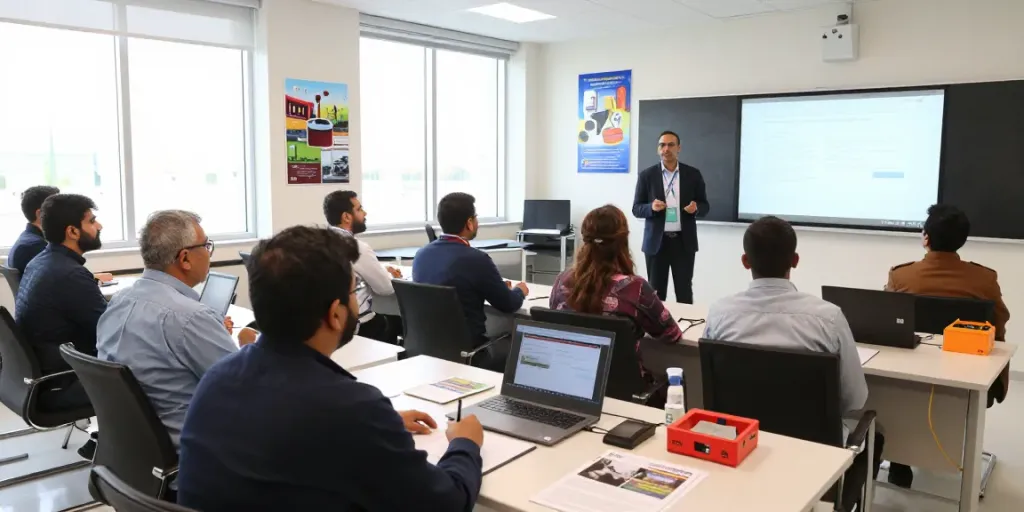
Understanding HSE Training Needs in Saudi Arabia
In the rapidly evolving landscape of Saudi Arabia's industrial and commercial sectors, the demand for Health, Safety, and Environment (HSE) training is more crucial than ever. Organizations are increasingly recognizing the significance of fostering a culture of safety and compliance, not only to meet regulatory standards but also to enhance productivity and employee morale. With a diverse range of sectors including oil and gas, construction, and manufacturing, the specific training needs vary widely. When exploring options, Training Institute Saudi Arabia provides comprehensive insights into effective training programs tailored to these diverse industries.
The Importance of HSE Training for Various Industries
HSE training is a fundamental aspect across multiple industries in Saudi Arabia. For instance, the oil and gas sector requires rigorous training to ensure personnel are equipped to handle hazardous situations, while construction workers must be trained to recognize and mitigate safety risks on-site. The healthcare sector, too, must emphasize HSE training to safeguard both workers and patients. Regardless of the industry, the overarching goal remains the same: to create a safer work environment that minimizes risks and enhances the well-being of all employees.
Key Regulations and Compliance Requirements
Compliance with local and international regulations is a cornerstone of effective HSE training. In Saudi Arabia, organizations must adhere to the Saudi Standards, Metrology and Quality Organization (SASO) regulations, as well as international standards such as ISO 45001 for occupational health and safety management. Understanding these regulations is vital for training institutes and organizations alike, as they guide the development of training programs that not only comply with legal requirements but also align with best practices globally.
Defining Training Outcomes for Professionals
Setting clear training outcomes is essential for measuring the effectiveness of HSE programs. Professionals trained in HSE should be able to identify hazards, conduct risk assessments, and implement safety measures effectively. Furthermore, training outcomes should encompass soft skills such as communication and teamwork, as they are critical for fostering a proactive safety culture within organizations.
Types of HSE Courses Offered by Leading Institutes
Leading training institutes in Saudi Arabia offer a diverse array of HSE courses aimed at different levels of expertise and specialization. These courses can include internationally recognized certifications that enhance professional credibility and employability.
Overview of NFPA and ProQual Certifications
The National Fire Protection Association (NFPA) certification is a coveted qualification for professionals working in fire safety and emergency preparedness. This certification equips participants with knowledge on fire hazard recognition, prevention techniques, and emergency response strategies. Similarly, ProQual certifications such as NVQ Level 6 Diploma in Occupational Health and Safety Practice and Level 7 Diploma in Strategic Health and Safety Leadership and Management are designed for professionals looking to advance their careers in the field of health and safety.
Specialized Training Programs: From NVQ to IOSH
Apart from NFPA and ProQual, other recognized certification programs include the International Institute of Risk and Safety Management (IOSH), which provides training focused on managing safety effectively in various environments. These specialized programs are tailored to equip learners with both theoretical knowledge and practical skills necessary for implementing effective health and safety management systems.
Emerging Courses and Future Trends in HSE Training
As industries continue to evolve, so too does the landscape of HSE training. Emerging courses focusing on areas such as behavioral-based safety, sustainability in environmental management, and advancements in technology for safety management are becoming increasingly important. These courses not only prepare professionals for today’s challenges but also equip them with the skills necessary to navigate future developments in the field.
Selecting the Right Training Institute in Saudi Arabia
Choosing the right training institute is a critical step for professionals seeking to enhance their HSE competencies. The right choice can significantly impact the effectiveness of the training received and, consequently, the safety culture of their workplaces.
Criteria for Choosing an Accredited Training Provider
When selecting a training provider, one must consider several criteria including accreditation status, course offerings, and the qualifications of instructors. Accredited institutions that are recognized by leading organizations such as NFPA and IOSH ensure that training adheres to high standards of quality and relevance. Furthermore, it's essential to review testimonials and feedback from past participants to gauge the effectiveness of the training.
Evaluating Course Formats: Online vs. In-Person Training
The choice between online and in-person training formats plays a crucial role in learning outcomes. While in-person training offers valuable hands-on experiences and direct interaction with instructors, online training provides flexibility, allowing participants to learn at their own pace. Blended learning approaches that combine both formats are increasingly becoming popular, providing the best of both worlds to learners.
Understanding the Benefits of On-Site Training Options
On-site training options present unique advantages such as customized content tailored to specific workplace needs, which can enhance the relevance and applicability of the training. Moreover, on-site training fosters teamwork and collaboration among employees, leading to better integration of safety practices in daily operations.
Developing a HSE Culture in the Workplace
Training alone is insufficient for cultivating a strong HSE culture; it must be integrated into the very fabric of the organization. This requires leadership commitment and active participation from all employees.
Integrating HSE Training into Organizational Practices
To successfully integrate HSE training into organizational practices, companies should adopt a continuous learning approach where safety training is viewed as a regular and ongoing process. This can include refreshers, toolbox talks, and safety drills which further embed safety principles into the daily workflow.
How Training Can Reduce Workplace Incidents
Research has shown that comprehensive HSE training significantly reduces workplace incidents. By equipping employees with the skills to identify risks and address hazards promptly, organizations can not only protect their workforce but also enhance operational efficiency and reduce costs associated with accidents and injuries.
Strategies for Sustaining HSE Knowledge and Skills
Ongoing professional development, mentorship programs, and peer-led initiatives can serve as effective strategies for sustaining HSE knowledge long after initial training has been completed. By fostering an environment where continuous learning is encouraged, organizations can ensure that safety knowledge is not only retained but also expanded upon.
Measuring the Impact of HSE Training
Measuring the impact of HSE training is essential for understanding its effectiveness and areas for improvement. Organizations must establish clear performance metrics to evaluate training outcomes.
Performance Metrics for Training Effectiveness
Key performance indicators (KPIs) such as incident rates, audit results, and employee feedback can provide valuable insights into the effectiveness of HSE training programs. Regular assessment and analysis of these metrics enable organizations to refine their training approaches and enhance their safety cultures.
Case Studies of Successful HSE Implementations
Examining case studies where HSE training has led to significant improvements in safety performance can provide powerful proof of its value. For instance, organizations that have implemented comprehensive training programs often report substantial reductions in incident rates, financial savings, and improved employee morale.
Future Predictions for HSE Training Efficacy in 2026
Looking ahead to 2026, it is expected that HSE training will further evolve to incorporate advanced technologies such as virtual reality and artificial intelligence. These tools will not only enhance the training experience but also improve retention rates and practical application of learned skills in real-world scenarios.
What courses are included in HSE training programs?
HSE training programs typically include a variety of courses such as risk assessment, fire safety, emergency response, and occupational health and safety management. Specialized certifications like NEBOSH, IOSH, and NFPA courses are often integrated into these training programs to provide comprehensive knowledge and skill sets.
Why is HSE training crucial for workplace safety?
HSE training is critical as it equips employees with the necessary knowledge to identify hazards, understand safety protocols, and react appropriately in emergencies. It fosters a culture of safety, significantly reducing the risk of accidents and injuries.
How can I choose the best training institute in Saudi Arabia?
To choose the best training institute, consider factors such as accreditation, course diversity, instructor expertise, and training delivery methods. Checking reviews and testimonials from past participants can also help guide your choice.
What certifications are recognized internationally?
Internationally recognized certifications include those from organizations such as NFPA, NEBOSH, IOSH, and ProQual. These certifications enhance professional credibility and are often a requirement for many safety roles globally.
How does on-site training enhance learning outcomes?
On-site training enhances learning outcomes by providing customized training solutions tailored to the specific needs of the organization. This format allows for immediate application of learned concepts and encourages team collaboration, reinforcing safety practices among employees.