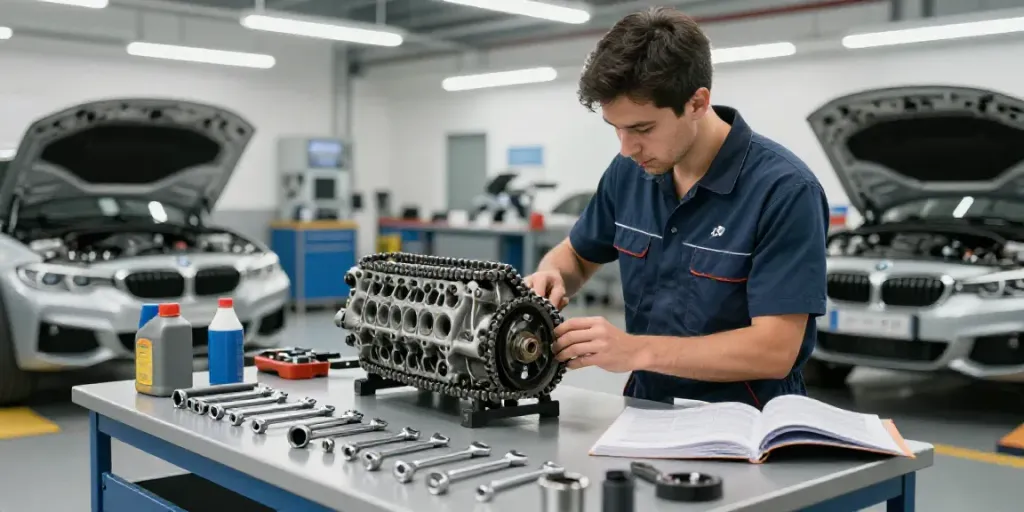
Understanding the BMW Steuerkette Wechseln Process
The timing chain, known as the Steuerkette in German, plays a crucial role in the functioning of BMW engines. For car owners, understanding the importance of this component and the process involved in its replacement is essential for maintaining optimal vehicle performance. The bmw steuerkette wechseln process is not just about prolonging the life of your engine; it's a preventive measure that can save you from costly repairs down the line.
What is the Timing Chain and Its Role?
The timing chain is a critical element in an internal combustion engine. It synchronizes the rotation of the crankshaft and the camshaft, ensuring that the engine's valves open and close at the proper intervals during each cylinder's intake and exhaust strokes. This synchronization is vital for the engine's performance and efficiency. Unlike timing belts, timing chains are designed to last longer and are typically more robust, but they are not immune to wear and tear.
Symptoms of Timing Chain Issues
Recognizing the symptoms of a faulty timing chain is vital for any BMW owner. Common signs include:
- Engine Noise: A rattling sound coming from the engine can indicate that the timing chain has started to wear out.
- Rough Engine Idle: If your BMW's engine is idling roughly, it could be a sign of timing chain problems affecting the engine's timing.
- Check Engine Light: Often, a failing timing chain will trigger the check engine light, indicating that something is wrong.
- Loss of Power: If you notice a decrease in acceleration or responsiveness, a stretched or worn timing chain might be the culprit.
Importance of Regular Maintenance
Regular maintenance of your BMW's timing chain is essential for ensuring the longevity of your engine. Preventative measures, such as timely replacements, can reduce the risk of severe engine damage. It is generally recommended that BMW owners follow the manufacturer's guidelines regarding maintenance intervals and look out for early signs of wear.
Cost Factors Involved in the BMW Steuerkette Wechseln
Average Costs of Timing Chain Replacement
The cost of replacing a timing chain can vary significantly depending on several factors, including the BMW model, labor rates, and whether additional parts are needed. On average, BMW owners can expect to pay between €1,100 and €2,200 for parts and labor.
Hidden Costs to Consider
While the visible costs include parts and labor, there can be hidden costs associated with the timing chain replacement process. These may include:
- Additional Repairs: If other components are damaged during the timing chain failure, repairs to these items can add up.
- Diagnostic Fees: Before replacing the timing chain, a mechanic may charge for diagnostic tests to determine the issue.
- Replacement Parts: Any additional necessary parts, such as gaskets or tensioners, can increase the overall cost of the service.
How to Get Accurate Quotes
To obtain an accurate quote for a timing chain replacement, it is advisable to seek quotes from multiple service providers. Factors to consider include labor costs, the quality of parts used, and the reputation of the repair shop. Furthermore, online platforms and forums can provide insights into typical costs for similar services based on your BMW model.
Step-by-Step Guide to Changing the BMW Timing Chain
Tools Needed for the Job
If you are considering a DIY approach, having the right tools is essential for changing the timing chain successfully. Typical tools required include:
- Socket set
- Torque wrench
- Oil filter wrench
- Screwdrivers
- Engine hoist (for vehicles with larger engines)
- Timing tools specific to your BMW model
Preparation and Initial Steps
Before embarking on the timing chain replacement, ensure that you follow these initial steps:
- Read the Manual: Familiarize yourself with your BMW's service manual for specific instructions related to your model.
- Prepare the Workspace: Ensure you have a clean, organized workspace with sufficient light.
- Disconnect the Battery: Always disconnect the battery before working on any vehicle to avoid electrical hazards.
Executing the Replacement Process
The replacement process involves several critical steps:
- Remove the Engine Covers: Gently take off any covers to access the timing chain.
- Position the Engine: Rotate the crankshaft to align the timing marks correctly.
- Replace the Timing Chain: Remove the old chain and install the new one, ensuring it is tensioned correctly.
- Reassemble: Reverse the disassembly steps to reassemble the engine.
Common Challenges and Solutions During Replacement
Typical Problems Encountered
Throughout the timing chain replacement process, you may encounter several issues, such as:
- Misalignment: Incorrectly aligning the timing marks can lead to engine performance issues.
- Seized Bolts: Often, older models may have bolts that are difficult to remove due to corrosion.
- Timing Tension Problems: If the tension isn't adjusted correctly, it can lead to premature failure of the new chain.
Tips for Avoiding Common Pitfalls
Avoiding common pitfalls can make the timing chain replacement process smoother:
- Take Your Time: Rushing can lead to mistakes; be methodical in your approach.
- Use the Right Tools: Ensure that you are using the correct tools for your specific BMW model.
- Refer to Resources: Online forums and videos can provide valuable insights and tips from other BMW owners and mechanics.
When to Seek Professional Help
If at any point you feel overwhelmed or uncertain, it is wise to consult a professional mechanic. Particularly with complex tasks like timing chain replacement, expert assistance can save you time and potentially prevent costly errors.
Future Trends in BMW Timing Chain Technologies
Innovations in Timing Chain Design
As automotive technology evolves, so too does the design of timing chains. Future innovations may include:
- Improved Materials: Advances in materials science could lead to chains that are lighter and more durable.
- Smart Technologies: Integration of sensors to monitor chain wear and alert owners to necessary replacements.
- Modular Designs: Chains that can be replaced in parts to reduce labor costs and improve efficiency.
Predicted Changes in Maintenance Practices for 2026
By 2026, it is expected that maintenance practices will shift towards more proactive approaches. This may involve:
- Increased Use of Diagnostic Tools: Mechanics may rely more on advanced diagnostic tools to assess timing chain health proactively.
- Regular Inspections: More frequent inspections during routine maintenance to catch issues early.
- Consumer Education: Increased awareness among BMW owners about the importance of timing chain maintenance will lead to better care.
Expert Insights on Evolving Automotive Technologies
Industry experts emphasize the importance of keeping up with technological advancements, not just for performance, but for safety as well. Understanding future trends in timing chains can provide BMW owners with the knowledge to make informed decisions about their vehicles.
What is a BMW Steuerkette wechseln?
The BMW Steuerkette wechseln refers to the process of replacing the timing chain in BMW vehicles. This essential maintenance task ensures that the engine runs smoothly and efficiently by keeping the camshaft and crankshaft in sync.
How often should you replace a BMW timing chain?
While BMW engines are designed for durability, it is generally recommended that the timing chain be inspected regularly, with replacements occurring every 100,000 to 200,000 miles, depending on the model and driving conditions.
What are the signs of a failing timing chain?
Signs of a failing timing chain include unusual engine noises, poor engine performance, and warning lights. If you experience these symptoms, it is critical to address them promptly to avoid severe engine damage.
Can I replace the timing chain myself?
While it is possible for experienced DIY mechanics to replace the timing chain themselves, it is a complex task that requires precision and expertise. If you are unsure, it may be best to seek professional assistance.
What tools are needed for a BMW timing chain replacement?
Tools typically required for this job include a socket set, torque wrench, oil filter wrench, and specific timing tools for your BMW model. Always ensure you have the correct tools before starting the replacement process.