Understanding the Science Behind Facial Age Perception
Have you ever looked in the mirror and wondered, "how old do I look?" Age perception is a complex interplay of biological, psychological, and cultural factors. The way we perceive age, both in ourselves and others, can be influenced by a variety of elements ranging from genetics to lifestyle choices. Understanding these factors not only sheds light on our self-image but also enhances our ability to navigate social situations confidently. In this article, we will delve into the science behind age perception and explore practical implications for maintaining a youthful appearance.
What Determines How Old We Look?
Age perception often hinges on facial features, skin quality, and other visible markers of aging. Research suggests that elements such as skin texture, elasticity, and the presence of wrinkles contribute significantly to how old someone appears. These characteristics serve as visual cues that people subconsciously use to estimate age. Moreover, factors like facial symmetry and proportion also play a crucial role; studies show that symmetric faces are often perceived as younger.
The Role of Genetics and Lifestyle Factors
Genetics undoubtedly plays a crucial part in determining how old we look. Family history can offer clues about how your body might age. For example, if your parents maintained a youthful appearance into their later years, you may inherit similar traits. However, lifestyle choices can dramatically influence the aging process. Factors such as sun exposure, diet, exercise, and smoking can accelerate visible aging, overshadowing genetic predispositions. Therefore, adopting a healthy lifestyle could potentially enhance our appearance and the way others perceive our age.
Common Myths About Aging and Appearance
- Myth 1: All wrinkles are caused by aging.
- Myth 2: You can't change how old you look.
- Myth 3: Only cosmetic procedures can improve your appearance.
Debunking these myths is vital; many non-invasive methods can improve skin health and boost your confidence. Staying informed about skincare, nutrition, and wellness can lead to significant improvements in perceived age.
How Technology Influences Age Estimation
The advancement of technology has revolutionized how we estimate age, leading to enhanced accuracy and accessibility. One of the most exciting developments in recent years is the rise of AI-powered tools for age calculation. These tools analyze facial features in photos to provide an estimation of perceived age, making it easier than ever to answer the question, how old do I look.
AI-Powered Tools for Age Calculation
AI algorithms assess a multitude of factors, including skin texture, pigmentation, and facial structure, to generate age estimates. This technology is often embedded in various apps and platforms, allowing users to upload photos and receive instant feedback about their perceived age. Beyond mere entertainment, these tools also provide users with insights on how to potentially look younger based on their facial features.
Comparing Popular Age Estimation Apps
There are several popular apps available that utilize AI to estimate age, each with its unique features. For instance, apps like FaceAge.ai and Fotor not only provide age estimates but also offer personalized skincare advice. Users can find the app that best suits their needs based on user reviews, ease of use, and additional features.
Future of AI in Beauty and Age Perception
The future of AI in age perception seems promising, with advancements expected to enhance both accuracy and user experience. As algorithms become more sophisticated, consumers can anticipate more personalized recommendations for skincare and wellness based on their unique facial characteristics.
Practical Tips for Maintaining a Youthful Appearance
While technology can offer insights into how old we look, practical steps can also be taken to maintain a youthful appearance. By integrating certain habits into our daily lives, we can positively influence both our perceived and actual age.
Skincare Routines That Promote Radiance
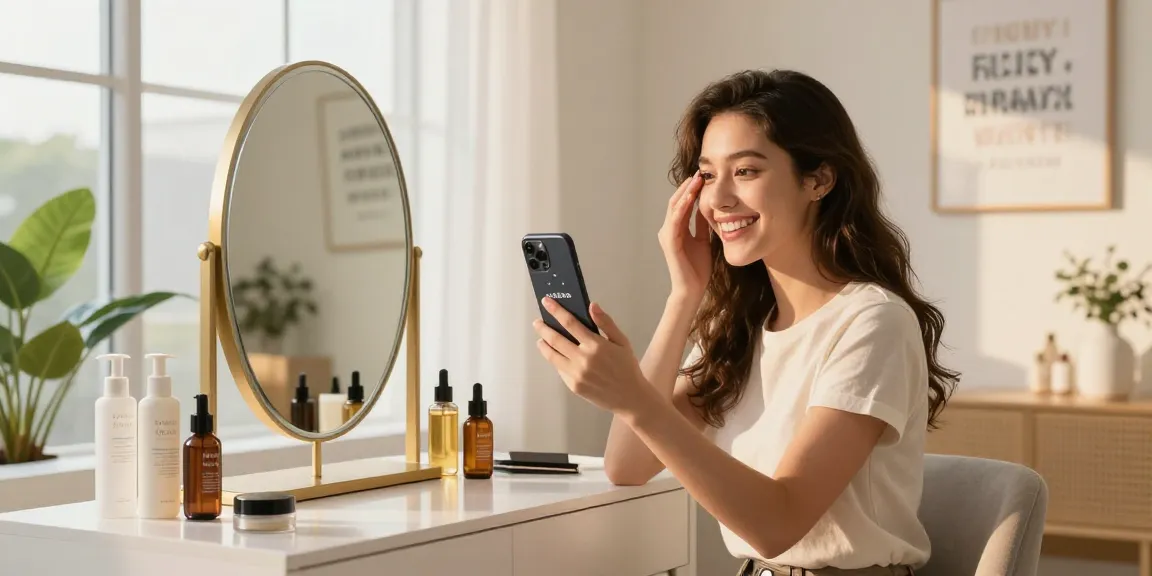
Developing a consistent skincare routine is essential for maintaining youthful skin. Look for products rich in antioxidants, which help combat free radicals that cause skin aging. Moisturizing daily and using sunscreen are crucial steps to protect the skin from damage caused by sun exposure.
Nutrition’s Role in Aging Gracefully
What we consume plays a significant role in how we age. Incorporating a diet rich in fruits, vegetables, and healthy fats can promote skin health and elasticity. Foods high in omega-3 fatty acids, like salmon and walnuts, are particularly beneficial for maintaining skin hydration.
Effective Lifestyle Changes for Younger-Looking Skin
Regular exercise, adequate sleep, and stress management are essential aspects of maintaining a youthful appearance. Exercise increases blood circulation, which helps to nourish the skin, while sufficient sleep allows for cellular repair. Additionally, practicing mindfulness or meditation can help in reducing stress, which is known to accelerate aging.
Real-World Applications of Age Estimation
Understanding how old we look can have practical applications in various aspects of life. From personal development to social interactions, this knowledge can empower individuals to enhance their self-esteem and confidence.
Using Age Estimation for Personal Growth
By gaining insights into how others perceive us, we can focus on areas we wish to improve, be it through skincare or lifestyle modifications. This proactive approach fosters personal growth and self-acceptance.
Boosting Confidence Through Appearance Insights
Confidence is often linked to our appearance. By using age estimation tools, individuals can identify aspects of their appearance that may need attention, boosting their self-esteem and encouraging them to take positive steps toward improvement.
How Age Perception Impacts Social Interactions
Societal norms and expectations often influence how we view ourselves and how we are viewed by others. Understanding the nuances of age perception can help individuals navigate social situations and foster connections based on authenticity rather than age-related stereotypes.
The Future of Age Perception and Beauty Trends in 2026
As we move towards 2026, emerging trends in beauty and age perception are expected to shape how individuals engage with their appearance. Innovations in AI technology will continue to enhance the accuracy of age estimation tools, providing users with deeper insights and actionable feedback.
Emerging Trends in Age Estimation Technology
Future advancements may include augmented reality features that show users potential aging effects on their faces, allowing for strategic skincare and beauty choices. Additionally, as data privacy becomes a focal point, users can expect greater transparency in how their data is used.
Shifts in Beauty Standards and Age Acceptance
As society continues to evolve, there is a noticeable shift towards embracing natural beauty and accepting all phases of life. Campaigns promoting age diversity are becoming more prevalent, encouraging individuals to celebrate their unique journeys without fear of judgment.
Embracing Aging: Celebrating All Phases of Life
In conclusion, age should be embraced rather than feared. As we navigate our appearance within the context of age, let’s focus on health and happiness rather than merely the numbers that define us. By understanding how old we look and taking steps to maintain our health, we can enhance our well-being and celebrate life at every age.
What are the most accurate age estimation apps?
Several apps have garnered attention for their accuracy, including FaceAge.ai and Fotor. These platforms use advanced AI algorithms to provide users with reliable age estimates based on their photos.
Can I really change how old I look?
Yes, through consistent skincare regimens, healthy eating, and lifestyle adaptations, individuals can significantly influence how old they appear.
Is there a connection between age perception and self-esteem?
Absolutely. Studies have shown that how people perceive their age can directly impact their self-esteem and overall confidence levels.
How do lifestyle changes affect my perceived age?
Lifestyle factors such as diet, exercise, and skincare routines can greatly impact skin health and how old one appears, reinforcing the importance of holistic well-being.
What should I expect from AI age estimation tools?
Users can expect accurate assessments based on facial features, along with recommendations for improving skin health.