Understanding the Creative Landscape in 2026
As we navigate through 2026, the world of art and creativity is witnessing a significant evolution. Factors such as technological advancements, changing audience preferences, and the ever-increasing influence of social media are reshaping how artists and audiences interact. Being aware of these trends is essential, especially for platforms like freecoloringsheets.net, which cater to diverse creative needs. This article explores the current trends in art and coloring, the shifting preferences of young artists, and how technology is continually affecting creative expression.
Current Trends in Art and Coloring
In recent years, the art world has embraced a myriad of trends, reflecting broader societal changes. One prominent trend is the rise of *interactive coloring experiences*, where traditional coloring sheets evolve into digital platforms that allow for greater creativity and engagement. Adult coloring books have also surged in popularity, offering intricate designs that cater to an adult audience looking for relaxation and mindfulness through art. The integration of augmented reality (AR) with coloring sheets has also begun to surface, allowing individuals to experience their creations in a 3D space, enhancing the creative process.
Changing Preferences of Young Artists
Today's young artists are not only influenced by traditional art forms but are also drawn to modern mediums. Social media platforms, particularly Instagram and TikTok, serve as vital spaces for artistic expression and discovery. Artists are increasingly focusing on unique, *eye-catching aesthetics* that perform well on these platforms. Moreover, sustainability has become a core value; many young creators are now opting for eco-friendly materials and themes that reflect their environmental consciousness.
Technological Influence on Creative Expression
The impact of technology on the creative landscape cannot be overstated. With tools like digital drawing tablets and design software, artists can create intricate works of art with ease. Additionally, platforms for virtual collaboration are enabling artists from different parts of the world to work together. The rise of NFTs (non-fungible tokens) has also changed how art is valued and sold, allowing for new revenue streams that empower artists.
The Importance of Community Engagement
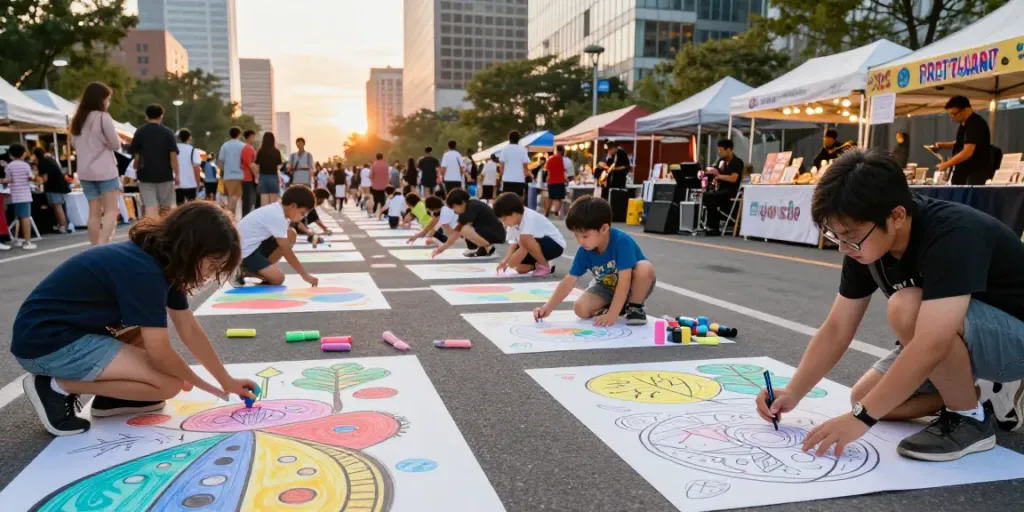
In today's artistic context, engagement with the community is more crucial than ever. Local art festivals, workshops, and collaborative projects not only promote awareness of the arts but also foster the growth of artistic communities. When communities come together through art, they not only support local artists but also create inclusive spaces for individuals of all ages to explore their creativity. This engagement can significantly enhance the visibility of platforms like freecoloringsheets.net, as they can serve as a resource for community projects and events.
Building Connections Through Art Festivals
Art festivals provide vibrant venues for artists to showcase their work and for community members to engage with art. These events often feature workshops, live demonstrations, and interactive installations that encourage participation. By attending these festivals, artists can network, while attendees can discover new artistic talents and learn more about various forms of art.
Leveraging Local Partnerships for Success
Collaboration with local businesses and organizations can greatly enhance the reach of artistic initiatives. For instance, partnering with schools for coloring contests or community centers for art classes can cultivate a broader audience for both artists and local art platforms. These partnerships facilitate a sense of ownership and pride within the community, driving engagement and attendance at art-related events.
Creating Inclusive Spaces for All Ages
Inclusive spaces in the arts are vital for fostering a culture of creativity among diverse populations. Art initiatives that provide resources for people of different ages and backgrounds help ensure that everyone can access artistic expression. Efforts to include accessible workshops and programs for underrepresented groups can significantly widen participation and enrich the community's artistic landscape.
Optimizing Content for Target Audience Needs
Understanding the target audience is paramount for any creative platform. By identifying core demographics, platforms can tailor their content to meet the specific interests and needs of their users. For example, a coloring site can focus on creating age-appropriate content and resources that resonate with families, educators, and adult colorists. This approach enhances user engagement and retention, making it imperative to align content strategy with user preferences.
Identifying Key Demographics for freecoloringsheets.net
For a platform like freecoloringsheets.net, understanding its audience is crucial. The primary demographics might include children and their parents, educators seeking resources for classrooms, and adults looking for stress-relief activities through art. Each demographic has unique needs that should be addressed through tailored content, ranging from simple coloring sheets for children to more complex designs for adult users.
Aligning Content Strategy with User Preferences
Once key demographics are identified, platforms must align their content strategies accordingly. This could mean diversifying offerings to include seasonal themes, educational content, or even interactive digital coloring experiences. Gathering user feedback through surveys and analytics can guide content development and ensure it meets the users' evolving interests.
Utilizing Feedback to Refine Offerings
Continuous improvement is key to maintaining relevance in the fast-paced creative landscape. Implementing a feedback loop where users can easily share their thoughts on content can provide valuable insights into what works and what doesn’t. Analyzing this data can inform future content development and enhance the overall user experience on the platform.
Innovative Marketing Strategies for 2026
The evolution of marketing strategies in the art sector is crucial for staying relevant and engaging the audience effectively. In 2026, the focus is likely to shift towards more digital-first strategies, leveraging social media to reach wider audiences. This could include showcasing user-generated content or collaborative projects that invite audience participation and engagement.
Utilizing Social Media for Maximum Reach
Social media platforms are invaluable for artists and creative platforms alike. Utilizing trending hashtags, joining relevant groups, and engaging with followers through consistent posts can significantly increase visibility. Platforms like Instagram and TikTok are perfect for showcasing coloring sheets in action, attracting a larger audience and driving traffic to websites.
Engaging Influencers and Art Communities
Collaborating with influencers who resonate with the target demographic can enhance credibility and attract new users. Influencers can showcase coloring products, participate in challenges, or co-create content that aligns with their followers' interests, fostering a sense of community and expanding the reach of the platform.
Implementing Targeted Advertising Campaigns
Investing in targeted advertising campaigns can lead to higher conversion rates. By analyzing user behavior and interests, platforms can create personalized ad content that speaks directly to potential users. Utilizing data-driven insights to optimize ad spend can yield significant returns in terms of engagement and user acquisition.
Measuring Success and Adapting Strategies
Measuring the effectiveness of creative initiatives is crucial for ongoing development. Key performance indicators (KPIs) such as engagement rates, user growth, and conversion rates should be continuously monitored to assess the impact of current strategies. This data drives informed decisions for future initiatives, allowing for agility in adapting to what works and what doesn’t.
Key Performance Indicators for Artistic Engagement
Common KPIs for creative platforms might include the number of downloads for coloring sheets, social media engagement metrics, and the frequency of user-generated content. Tracking these metrics allows platforms to gauge the effectiveness of their content and marketing efforts.
Collecting Data for Continuous Improvement
Data collection should be an ongoing process. Utilizing analytics tools can provide insights into user behavior, preferences, and content performance. This information is essential for making data-driven decisions that enhance the user experience and foster growth.
Adapting Future Strategies Based on Insights
By analyzing the data collected, creative platforms can adapt their strategies accordingly. This might involve refining content types, enhancing user interaction features, or even shifting marketing approaches to align with emerging trends in the art world. Being adaptable is vital for maintaining relevance in a rapidly changing creative landscape.
What are the best ways to engage young artists in 2026?
Engaging young artists in 2026 requires a mix of innovative online platforms, community involvement, and opportunities for real-world interaction. Incorporating technology such as virtual galleries, interactive tutorials, and social media campaigns can attract young creators and foster a supportive environment for their work.
How can community festivals promote creativity?
Community festivals can act as a catalyst for creativity by providing platforms for local artists to showcase their work, facilitating workshops, and encouraging public participation. These events foster connections among artists, community members, and potential collaborators.
What content resonates most with coloring enthusiasts?
Content that resonates with coloring enthusiasts often includes intricate designs, themed pages, and opportunities for interactive engagement, such as competitions or challenges. Tailoring offerings to the preferences of this audience can significantly enhance user engagement and satisfaction.
How to leverage social media for art marketing?
To leverage social media effectively, artists and platforms should focus on creating visually appealing content, utilizing hashtags strategically, and engaging directly with their audience. Regular updates, collaborations, and behind-the-scenes glimpses of the creative process can build a loyal following and expand reach.
What metrics should I track for my creative content strategy?
Essential metrics to track for a creative content strategy include user engagement rates, content downloads, social media interactions, and conversion rates. Monitoring these metrics provides insight into what content resonates and informs future strategy adjustments.