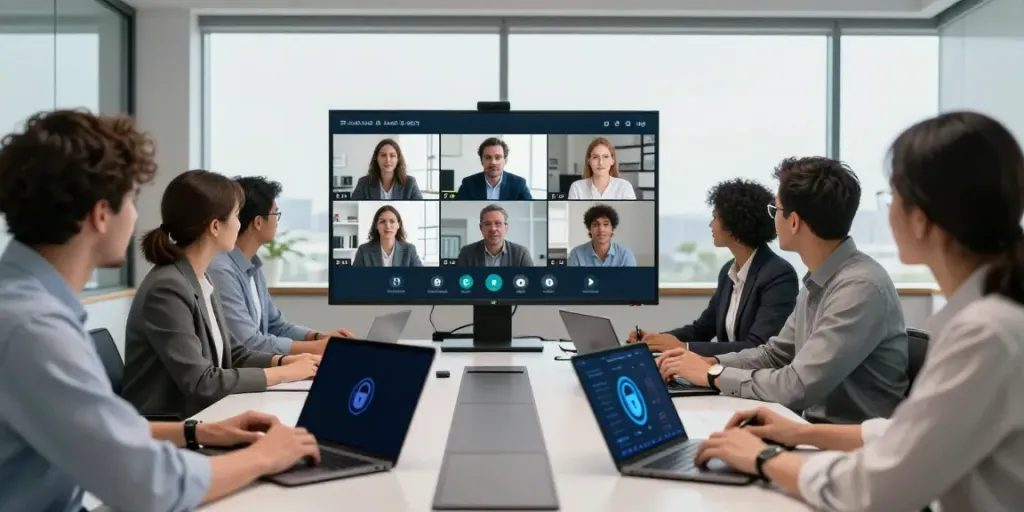
Understanding Deepfake Technology in Meetings
As the digital landscape continues to evolve, the implications of artificial intelligence (AI) are becoming increasingly significant. Among the most alarming advancements is deepfake technology, which harnesses AI to create hyper-realistic video and audio impersonations. This technology poses profound risks for business communications, especially in the context of virtual meetings. With the surge in remote work and video conferencing, understanding deepfakes and implementing strategies for Deepfake-protected meetings is critical for safeguarding organizational integrity and trust.
What are Deepfakes?
Deepfakes are synthetic media created using deep learning techniques that can manipulate audio and video with alarming accuracy. Defined broadly, they are digital content generated by algorithms that mimic real human behavior, allowing malicious actors to impersonate individuals convincingly. The technology employs a neural network to analyze video footage, identifying facial features and movements to create a seamless portrayal of someone else. As deepfake technology becomes more sophisticated, distinguishing between authentic and manipulated media becomes increasingly challenging.
How Deepfakes Affect Business Interactions
The ramifications of deepfake technology in business interactions are profound. Cybercriminals can leverage these tools to conduct fraud, spread disinformation, or even create a false narrative about an organization. For instance, imagine a scenario where a corporate executive is impersonated during a video conference, leading to unauthorized financial transactions or sensitive information breaches. Such incidents not only pose a threat to operational security but also undermine the trust and credibility of businesses in the eyes of their clients and stakeholders.
Recognizing Deepfake Threats in Online Meetings
Identifying deepfake threats requires a keen awareness of potential indicators. Business professionals should be vigilant for inconsistencies in videos, such as irregular facial movements, mismatched lip-syncing, or abnormal lighting and shadow patterns. Additionally, training staff on recognizing these signs can be pivotal in mitigating risks associated with deepfakes. Incorporating technology that detects these manipulations can also enhance security during online meetings.
Importance of Deepfake Protection
In an era where deepfakes are becoming commonplace, the need for robust protection measures is more important than ever. Enterprises must recognize that the stakes are high—not just for their financial security, but for their reputation and operational integrity.
The Risks of Unprotected Virtual Meetings
Unprotected virtual meetings expose organizations to significant risks. From data breaches to unauthorized access to sensitive information, the vulnerabilities created by deepfakes can lead to catastrophic outcomes. One notable case involved a CEO being impersonated via deepfake technology, resulting in a loss of millions in a fraudulent wire transfer. This underscores the urgent necessity of implementing protective measures to safeguard against such threats.
Legal Implications of Deepfake Usage
The legal landscape surrounding deepfakes is still developing, but organizations must remain informed about potential liabilities. Deepfake technology has raised questions about the admissibility of evidence and the potential for defamation lawsuits. As regulations evolve, businesses must ensure compliance with existing laws and prepare for stricter regulations concerning digital content authenticity.
Building Trust in Digital Communications
Trust is the cornerstone of successful business relationships, and deepfake technology threatens to erode this foundation. Implementing strategies for deepfake protection can foster a safer environment for communication, positively impacting organizational credibility. Businesses that prioritize security and transparency can enhance trust among clients and stakeholders, setting themselves apart from competitors.
Best Practices for Deepfake-Protected Meetings
To mitigate risks associated with deepfakes effectively, organizations should adopt a multi-faceted strategy that encompasses strong authentication, detection tools, and regular audits.
Implementing Strong Authentication Methods
One of the most effective ways to prevent deepfake-related issues is through robust authentication measures. Employing multi-factor authentication (MFA) can significantly reduce the risk of unauthorized access during meetings. By requiring additional verification methods—such as biometric recognition or secure one-time passwords—organizations can better safeguard their communications.
Utilizing AI-Powered Detection Tools
AI-powered detection tools play a vital role in identifying deepfakes in real-time. These tools analyze video feeds for inconsistencies and flag potential impersonations. Investing in such technology can be a game-changer in protecting virtual meetings, enabling organizations to act swiftly against potential threats.
Conducting Regular Security Audits
Regular security audits should be a standard practice for any organization concerned about deepfake threats. These audits help identify vulnerabilities in existing systems and ensure compliance with security protocols. By continually assessing their defenses, businesses can adapt to emerging threats and protect their digital assets more effectively.
Real-World Applications of Deepfake Protection
Several organizations have successfully implemented deepfake protection strategies, setting benchmarks for others to follow. Understanding these real-world applications can provide valuable insights for businesses looking to enhance their security measures.
Case Studies of Successful Implementations
Various corporations have adopted comprehensive deepfake protection measures, demonstrating the efficacy of their strategies. For example, a leading financial institution integrated advanced AI detection tools in their conferencing systems, which led to the identification and prevention of multiple deepfake impersonation attempts. This proactive approach not only safeguarded their transactions but also reinforced client trust.
Shared Experiences from IT Leaders
IT leaders from diverse sectors have shared their experiences regarding deepfake threats. Many emphasize the need for continual training and awareness programs to educate employees about the risks associated with deepfakes. Regular workshops and simulated scenarios can equip staff with the knowledge to identify potential threats in real time.
Feedback from Meeting Participants
Gathering feedback from meeting participants can provide valuable insights into the effectiveness of deepfake protection measures. Regular surveys can help organizations understand participant perceptions regarding security and trust during virtual interactions. Enhancing transparency about security protocols can also cultivate confidence among clients and stakeholders.
Future of Deepfake-Protected Meetings
As technology advances, so too must the strategies to protect against deepfake threats. The future of deepfake-protected meetings is likely to be influenced by several emerging technologies and evolving trends.
Emerging Technologies for Enhanced Security
Innovative technologies such as blockchain and enhanced biometric identification are on the horizon for deepfake protection. Blockchain's immutable ledger can provide an additional layer of authenticity for video content, while biometric systems can offer sophisticated verification methods. Implementing such technologies could revolutionize the way organizations approach digital security.
Trends to Watch for in 2026
Looking ahead to 2026, organizations should be prepared for several trends that may shape the landscape of deepfake protection. These include increased regulatory scrutiny surrounding digital content, advancements in AI detection tools, and the integration of deepfake prevention measures into everyday business practices. Staying abreast of these trends will be crucial for maintaining cybersecurity.
Preparing for New Deepfake Challenges
As deepfake technology evolves, new challenges will arise. Organizations must remain agile and proactive in adapting their strategies to counteract emerging threats. This includes routinely updating detection methods, enhancing employee training programs, and fostering a culture of vigilance within the organization.
What are the legal aspects of deepfake technology?
The legal ramifications of deepfake technology are complex and vary by jurisdiction. Organizations must be aware of potential liabilities stemming from the use of deepfake content, especially in commercial contexts. As laws evolve, compliance will be paramount to mitigate risks associated with potential legal disputes.
How can organizations protect against deepfake impersonation?
Organizations can protect against deepfake impersonation by implementing strong authentication measures, utilizing AI detection tools, and conducting regular security audits. These strategies collectively form a robust defense against potential threats, ensuring secure virtual interactions.
What tools are available for detecting deepfakes in meetings?
Several AI-powered tools are designed specifically to detect deepfakes in real-time during video meetings. These tools analyze video feeds, scanning for inconsistencies in facial movements, audio-visual synchronization, and other indicators of manipulation. Utilizing such technology can enhance security and provide peace of mind during virtual interactions.
Why are deepfake protections necessary for corporate compliance?
Deepfake protections are essential for corporate compliance due to the increasing legal scrutiny surrounding digital content and the potential for reputational damage. Organizations that prioritize protection measures demonstrate a commitment to ethical standards and safeguard against potential legal ramifications.
How will deepfake technology evolve by 2026?
By 2026, deepfake technology is expected to become even more sophisticated, making it increasingly challenging for individuals and organizations to discern authenticity. As this technology advances, proactive measures and innovative solutions will be critical to combat the ongoing threat posed by deepfakes.