
Understanding the Importance of Brain Games
In our fast-paced digital world, maintaining cognitive health is more important than ever. Engaging in brain games not only provides entertainment but also enhances mental agility, critical thinking, and memory retention. The rise of platforms like brainslot.net showcases the growing interest in brain-training activities, emphasizing their role in everyday life. This article delves into the various aspects of brain games, their psychological impact, and their significance in a comprehensive cognitive training regimen.
What are Brain Games and Their Benefits?
Brain games are designed to stimulate mental processes including memory, problem-solving, and attention. These games may include puzzles, quizzes, and logic challenges that are not only fun but also serve as beneficial exercises for the brain. Research suggests that regular engagement in brain games can lead to improved cognitive functions, such as faster information processing and better memory recall.
- Benefits:
Psychological Insights on Game Engagement
Psychologists have found that game engagement stimulates the brain's reward system, releasing dopamine, which enhances motivation and learning. This interaction creates a positive feedback loop, encouraging individuals to keep playing and, in turn, learning. The emotional satisfaction derived from successfully completing challenges also plays a crucial role in sustaining engagement over time.
Common Misconceptions About Brain Training
Despite the numerous benefits, there are misconceptions surrounding brain training. One common belief is that all brain games guarantee significant improvements in cognitive abilities. However, studies indicate that the effectiveness of brain games may vary based on individual differences and the types of games played. It's essential to choose games that match one's cognitive level and to pair them with diverse activities for holistic cognitive development.
Types of Brain Exercises Available at Brainslot.net
At brainslot.net, users can explore various types of brain exercises tailored to enhance specific skills. The platform offers a diverse range of games that cater to different cognitive challenges, ensuring a well-rounded mental workout.
Puzzles: Engaging the Mind Creatively
Puzzles are a fantastic way to engage the mind creatively. They require individuals to think critically and employ problem-solving techniques. Whether it's jigsaw puzzles or crosswords, these activities challenge the brain to work in innovative ways, promoting mental agility.
Memory Games: Enhancing Cognitive Recall
Memory games are excellent tools for enhancing recall ability. By frequently challenging users to remember patterns, numbers, or words, these games help improve long-term memory and information retention. Techniques such as spaced repetition further augment these benefits, making memory games a staple in cognitive training.
Logic Games: Building Problem-Solving Skills
Logic games focus on developing analytical skills and logical reasoning. These games often require players to deduce solutions based on given constraints, fostering a deeper understanding of logical relationships. Engaging in logic games prepares the mind for real-life problem-solving scenarios, enhancing critical thinking skills in various situations.
How to Incorporate Brain Training into Daily Life
Incorporating brain training into daily routines can be straightforward and enjoyable. Simple adjustments in daily habits can ensure consistent engagement with brain games, fostering a culture of lifelong learning and mental fitness.
Creating a Collaborative Learning Environment
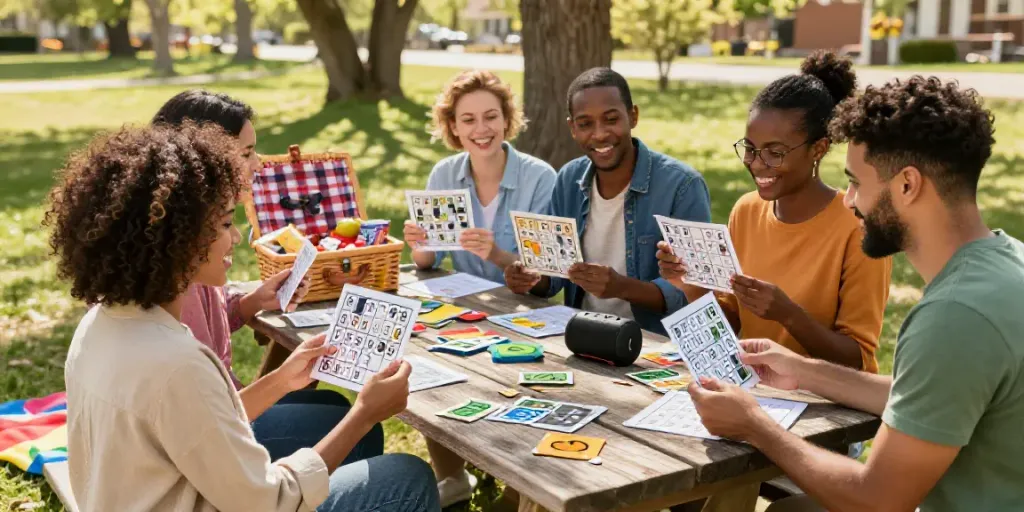
Encouraging others to join in on brain games can enhance engagement and enjoyment. Forming study groups or game clubs can create a collaborative environment where individuals challenge each other, share strategies, and motivate one another to achieve their cognitive training goals.
Utilizing Apps and Tools from Brainslot.net
Utilizing applications from brainslot.net can streamline the brain training process. Many apps offer customized training plans, allowing users to select games that fit their specific needs and preferences. This personalization ensures that individuals can train effectively and keep their sessions engaging.
Setting Achievable Brain Training Goals
To maximize the effectiveness of brain training, setting realistic and achievable goals is crucial. By establishing benchmarks, individuals can track their progress, stay motivated, and feel a sense of accomplishment. Goals may include daily game time, skill improvement targets, or the number of new games to try each month.
Measuring Progress and Success in Brain Training
Quantifying progress in brain training can provide insights into cognitive improvement over time. Tracking performance metrics enables individuals to understand their strengths and areas needing improvement, facilitating a more targeted approach to brain training.
Tracking Performance Metrics
Most brain training platforms, including brainslot.net, allow users to track their scores and performance over time. This data can reveal patterns in cognitive performance, helping to identify which types of games yield the best results for individual users.
Identifying Improvement in Cognitive Skills
As users engage more frequently with brain games, they should notice improvements in cognitive skills such as reaction time and memory. Regular self-assessments can help gauge these improvements, ensuring that users remain informed about their progress and motivated to continue their training.
Feedback from Community Engagement
Community interaction can also provide valuable feedback. Engaging with others on forums or social media groups related to brain games can offer new insights, strategies, and encouragement. Additionally, sharing personal accomplishments fosters a sense of community and camaraderie.
Future Trends in Brain Games and Cognitive Training
The future of brain games is bright, with innovation and technology poised to revolutionize how we engage in cognitive training. Emerging trends will shape the landscape of brain exercises, making them more interactive and personalized than ever.
Technology Integration in Brain Exercises
Advancements in technology are paving the way for more immersive brain training experiences. Virtual reality (VR) and augmented reality (AR) are set to transform traditional games into engaging simulations that stimulate cognitive functions in novel ways. These technologies can create realistic scenarios for problem-solving and critical thinking challenges.
Personalized Brain Game Recommendations
As machine learning continues to evolve, personalized game recommendations will become a standard practice. Based on previous performance, habits, and cognitive needs, platforms like brainslot.net will curate tailored gaming experiences for users, optimizing their growth in cognitive skills.
Predictions for the Evolution of Brain Training in 2026
Looking ahead to 2026, we can anticipate a shift in how brain training is perceived and executed. With increasing awareness of mental health and cognitive fitness, brain games will likely become integral to wellness routines across demographics. Expect to see collaborations with educational institutions and innovative corporate training programs that emphasize continuous cognitive engagement as essential for both personal and professional development.
What are the Benefits of Brain Training?
Brain training offers a myriad of benefits. These include not only enhanced memory and problem-solving skills but also improved emotional well-being and resilience against cognitive decline. Regular engagement in brain games encourages a proactive approach to mental fitness, ensuring that individuals maintain their cognitive edge as they age.
How Do Brain Games Improve Cognitive Skills?
Brain games enhance cognitive skills by creating diverse challenges that stimulate various areas of the brain. Engaging with different types of games ensures a balanced workout for mental functions like memory, attention, and reasoning. The cumulative effect of these exercises contributes to overall cognitive improvement.
Are Brain Games Suitable for All Ages?
Brain games are indeed suitable for all ages, from children to seniors. They can be tailored to meet the developmental needs of different age groups, making them a versatile tool for cognitive growth. For instance, younger players might focus on memory and attention games, while older adults could benefit from puzzles that challenge complex problem-solving skills.
What Makes Brainslot.net Stand Out?
What sets brainslot.net apart from other platforms is its user-centric approach. The website offers an extensive library of brain games, categorizing them by cognitive skills, which streamlines the process for users seeking targeted improvement. Additionally, the platform’s commitment to community engagement fosters a supportive environment for learning and growth.
How Often Should One Engage in Brain Games?
To reap the full benefits of brain training, consistency is key. Experts recommend engaging in brain games several times a week, with a mix of different types of games to ensure comprehensive cognitive stimulation. Setting aside dedicated time for brain exercises can turn them into a beneficial habit.